
Sansevieria canaliculata
Sansevieria canaliculata Carrière
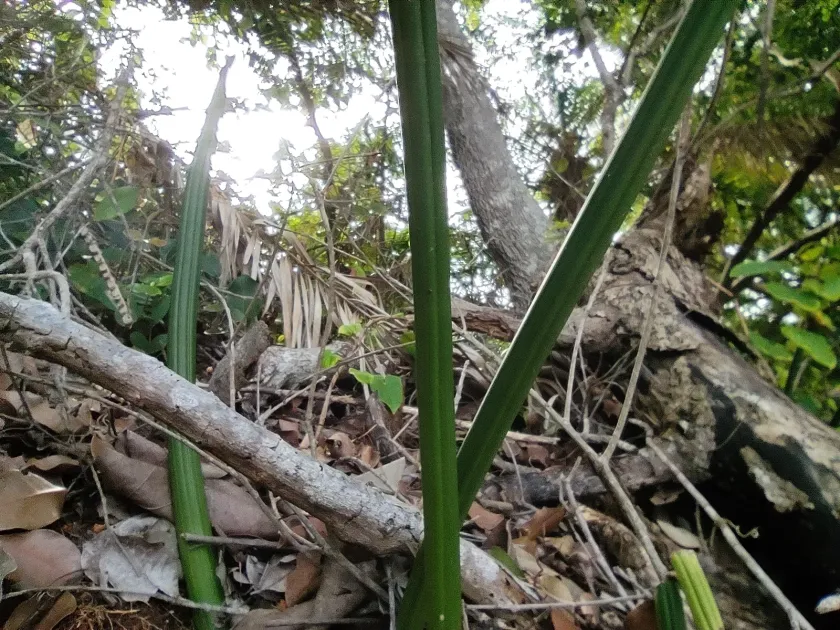
Description
Growing requirements
Sansevieria canaliculata is a perennial succulent plant belonging to the Asparagaceae family. This species is highly distinguished by its cylindrical, grooved leaves that grow in a fan-like or solitary arrangement, creating a unique architectural appearance.
Originating from Eastern Africa, specifically regions in Tanzania and Madagascar, this plant is naturally adapted to arid and semi-arid climates. It thrives in rocky, well-draining soils that offer minimal nutrient content but excellent stability for its rhizomatous root system.
For agricultural cultivation, the substrate should mimic its native habitat. A mixture consisting of 60% mineral components (coarse sand, volcanic ash, or pumice) and 40% organic matter is recommended to prevent compaction and waterlogging.
The climate requirements include high light intensity, although the plant can adapt to partial shade. Optimal temperature ranges for active growth are between 20°C and 28°C, with the plant showing significant resilience to drought-induced stress.
In terms of хозяйственное (economic) utility, the plant is primarily cultivated for ornamental purposes in commercial floriculture. Its long, fibrous leaves have also been historically studied for the potential extraction of high-quality plant fibers.
Main diseases and pests
Root rot caused by excess soil moisture is the most critical threat to Sansevieria canaliculata. This pathological condition typically occurs due to poor drainage or overly frequent watering schedules, particularly in cool, low-light environments.
Common pests include mealybugs and spider mites. These insects thrive in the tight grooves of the leaves, making them difficult to detect until the plant exhibits signs of stunted growth or yellowing patches.
Integrated pest management (IPM) should prioritize physical removal and the application of horticultural oils or systemic insecticides. Maintaining good airflow around the plants helps to discourage the colonization of these pests.
Fungal infections, such as leaf spot, may occur if water is trapped in the center of the leaf rosette. Implementing a 'bottom-up' irrigation system or applying water directly to the soil, avoiding the foliage, significantly reduces disease risk.
To ensure long-term productivity, growers must monitor for signs of chlorosis, which may indicate poor root health or nutrient imbalances. Regular inspection and controlled exposure to sunlight are fundamental to sustaining plant vitality.