
Sanicula trifoliata
Sanicula trifoliata
Description
Growing requirements
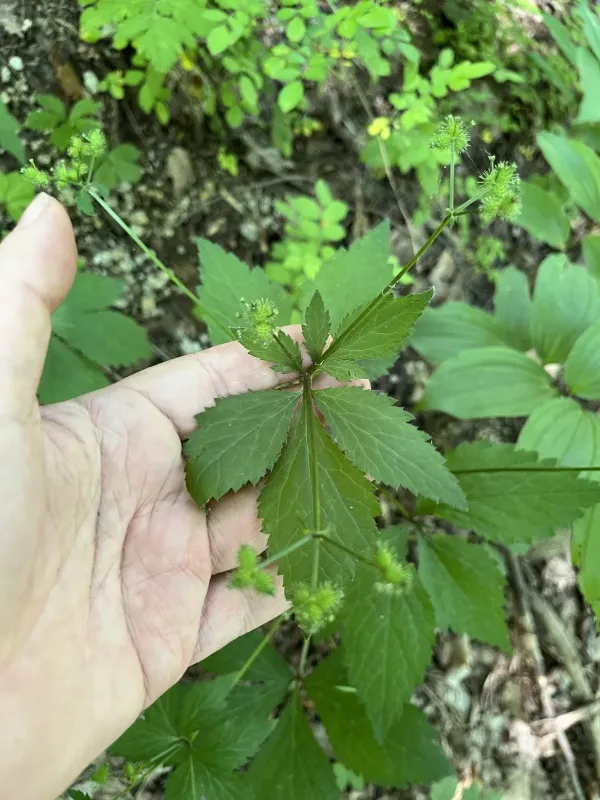
Sanicula trifoliata, commonly known as large-fruited sanicle or trifoliate sanicle, is a perennial herbaceous plant belonging to the Apiaceae family. It is distinct due to its foliage, which is divided into three leaflets, giving the plant its specific morphological identity.
The native habitat of this species includes the moist, deciduous woodlands of North America. It thrives in soils rich in organic matter and leaf mold, typical of environments that provide consistent moisture and moderate shade throughout the growing season.
To cultivate this species successfully, it is essential to mimic its natural understory environment. This means providing well-drained but moisture-retentive soils with a slightly acidic to neutral pH level, ensuring the roots remain cool and hydrated.
The plant demonstrates good adaptation to temperate climates, showing resilience against cold winters. However, it requires protection from excessive heat and direct sunlight, which can quickly desiccate the foliage and stunt its growth cycle.
In modern agricultural research, Sanicula trifoliata is studied for its chemical profile and potential uses in botanical medicine. Its propagation requires patience, as the seeds often need a period of cold stratification to germinate effectively.
Main diseases and pests
The primary threats to Sanicula trifoliata are fungal pathogens, specifically powdery mildew, which develops when air circulation is poor and humidity levels remain excessively high without adequate ventilation.
Root rot represents a significant danger, especially in poorly drained clay soils where water accumulation creates anaerobic conditions. Ensuring proper drainage is the most effective cultural method to prevent this decay.
Slugs and snails are the most common pests, as they are attracted to the succulent growth of the plant during the spring. These pests can significantly reduce the vitality of the plant by consuming the leaves and stems.
Aphids can infest the inflorescences during the blooming stage, drawing vital sap and causing developmental stress. Biological controls or targeted rinsing are often sufficient to manage these populations without chemicals.
Maintaining a clean growing area by removing decaying organic matter and monitoring the health of surrounding vegetation helps prevent the onset of these diseases and reduces the pressure from common garden pests.