
Purple Sanicle
Sanicula bipinnata
Description
Growing requirements
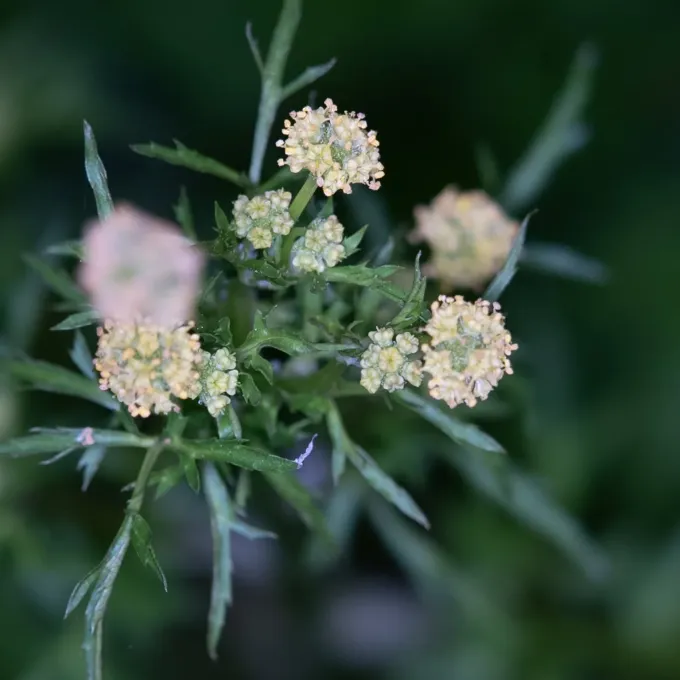
Purple Sanicle (Sanicula bipinnata) is a perennial herbaceous plant belonging to the Apiaceae family. It is native to the western regions of North America, where it thrives primarily in oak woodlands and grassy slopes, showcasing a distinct botanical structure typical of the genus.
The cultivation of this species requires well-drained, nutrient-rich soils that mimic its natural forest habitat. It is essential to ensure that the soil remains moist but never waterlogged, as the root system is sensitive to poor drainage and fungal issues related to over-saturation.
In terms of light exposure, Purple Sanicle prefers partial shade rather than full sunlight. This requirement makes it an excellent candidate for forest gardening or shaded agroforestry systems where other crops might struggle to survive due to low light levels.
The climate requirements include cool, moist springs followed by drier, mild summers. The plant is adapted to regions with Mediterranean-like patterns and needs a period of winter dormancy to complete its life cycle effectively and produce viable seeds for the next season.
Maintenance of this crop involves periodic weeding and mulch application to preserve soil moisture and regulate temperatures around the root zone. Regular monitoring for proper aeration is crucial to prevent the development of root diseases, which are the most significant threat to its successful growth.