
Canadian black snakeroot
Sanicula canadensis
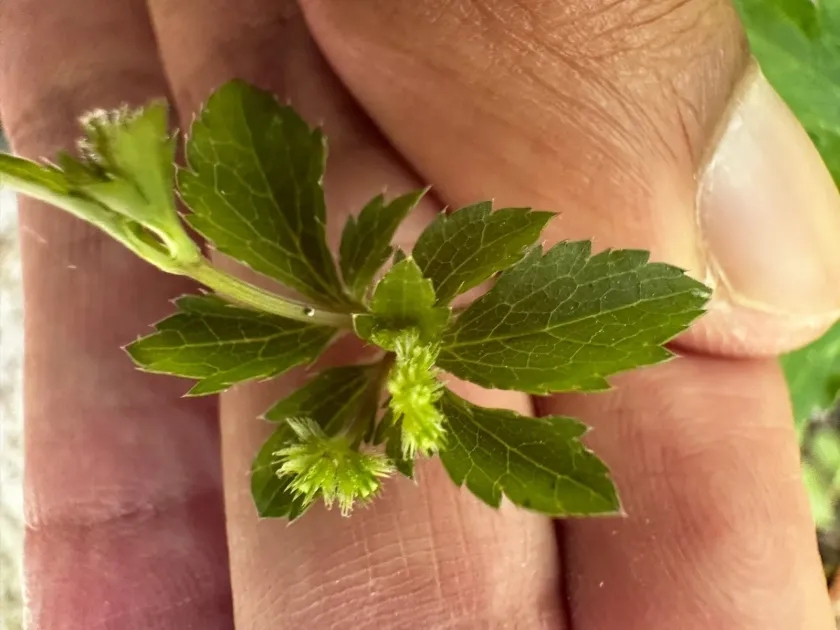
Description
Sowing dates
Canadian black snakeroot is a biennial plant belonging to the Apiaceae family. In its native habitat, the seeds typically mature in late summer and drop to the ground, where they undergo natural stratification during the winter months.
For agricultural cultivation, sowing is best performed in late autumn. This allows the seeds to experience the necessary cold period, which breaks their dormancy and ensures a high germination rate when spring temperatures arrive.
If spring sowing is preferred, the seeds must undergo artificial cold stratification. Storing them in a moist medium at temperatures between 2 and 5 degrees Celsius for at least 6 to 8 weeks is essential for successful seedling emergence.
Seeds should be sown in shallow furrows, no deeper than 1 centimeter. Because the seeds are relatively small, deep planting can prevent the seedlings from reaching the surface, leading to poor stands and reduced crop density.
Once seedlings emerge, they develop slowly during the first year, forming a basal rosette. It is critical to maintain consistent moisture and prevent weed encroachment during this establishment phase to ensure the plants thrive.
Growing requirements
This species thrives in partial shade to dappled sunlight, mimicking its natural woodland environment. Exposure to harsh, direct sunlight during the peak of summer can cause leaf scorch and significantly slow the plant's overall growth rate.
Soil requirements include a preference for well-draining, moisture-retentive loamy soils enriched with organic matter. High levels of humus help maintain the soil structure required for the development of the root system.
Moisture management is key to successful production. While the plant requires regular watering, it cannot tolerate waterlogged conditions. Proper soil drainage is essential to prevent root rot, which is the most common cause of failure in cultivation.
Regarding climate, Sanicula canadensis is hardy and adapted to a wide range of temperatures typical of temperate zones. It does not require specialized protection against cold, but it benefits from organic mulching to regulate soil temperature.
Nutrient management should be focused on organic amendments rather than heavy synthetic fertilization. A balanced soil environment supports healthy vegetative development and enhances the plant's natural resilience against environmental stressors.
Main diseases and pests
Fungal diseases, particularly various leaf spot pathogens, pose the most significant risk to the foliage. These diseases flourish in humid, stagnant conditions, making air circulation a priority for any grower managing a large crop.
Pests such as aphids can colonize the developing shoots during the spring. Early identification is crucial, as significant infestations can stunt growth and provide entry points for secondary infections or viral agents.
Root rot is a major threat linked to poor soil drainage and excessive irrigation. Once symptoms of wilting appear, it is often difficult to save the plant, emphasizing the need for preventative measures during land preparation.
Slugs and snails represent a nuisance, particularly for younger plants with soft tissue. Implementing physical barriers or organic baits around the planting site can help manage these populations without the use of harsh chemicals.
- Prioritize site selection with excellent natural drainage.
- Ensure adequate spacing between plants to encourage airflow.
- Monitor for early signs of fungal spots and apply organic fungicides if necessary.