
Sanicula chinensis
Sanicula chinensis
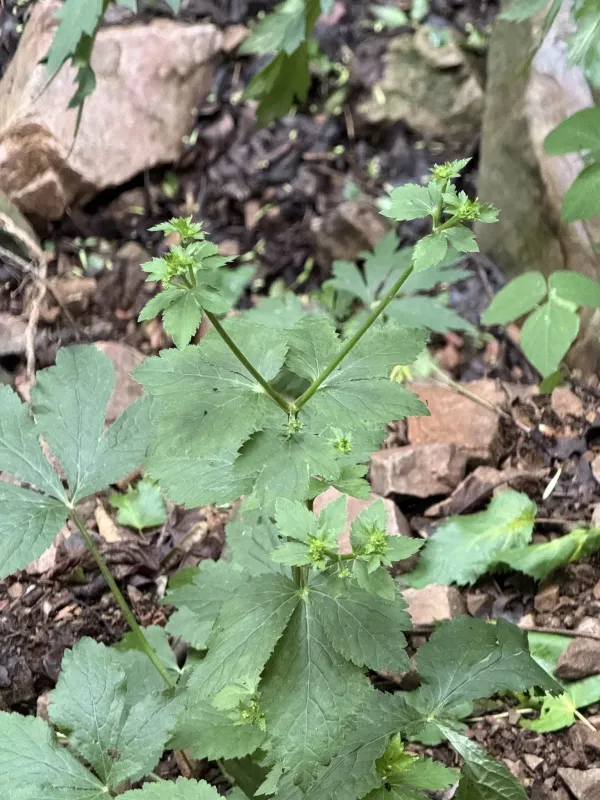
Description
Growing requirements
Sanicula chinensis is a perennial herb belonging to the Apiaceae family. It is recognized for its compact growth habit and its role as a valuable source of bioactive secondary metabolites.
The plant naturally thrives in forested habitats, preferring cool, shaded environments with consistent moisture. Agricultural cultivation requires mimicking these microclimatic conditions.
Soil quality is paramount for this species; it requires a well-structured, humus-rich substrate with a neutral to slightly acidic pH level to ensure proper root development.
The agronomic management focuses on moisture regulation. Excessive sunlight or complete drought leads to rapid degradation of leaf quality, which is essential for medicinal harvest.
Understanding the botanical cycle is crucial, as the plant needs a period of dormancy in winter to stimulate spring growth and proper formation of the floral stalks.
Main diseases and pests
Root rot caused by stagnant water is the most significant threat to Sanicula chinensis populations, often leading to rapid mortality of the plants.
Fungal leaf spots can occur when the plant canopy is too dense, reducing airflow and creating a microclimate suitable for pathogens to thrive.
Aphid infestations are common, as the soft tissue of the leaves provides an ideal feeding ground, necessitating regular monitoring throughout the growing season.
Soil-borne nematodes can cause significant stunting, emphasizing the importance of site selection and potentially the use of cover crops in the field rotation.
Herbivorous mollusks like slugs pose a constant threat during the early vegetative stages, requiring integrated pest management strategies to protect the foliage.