
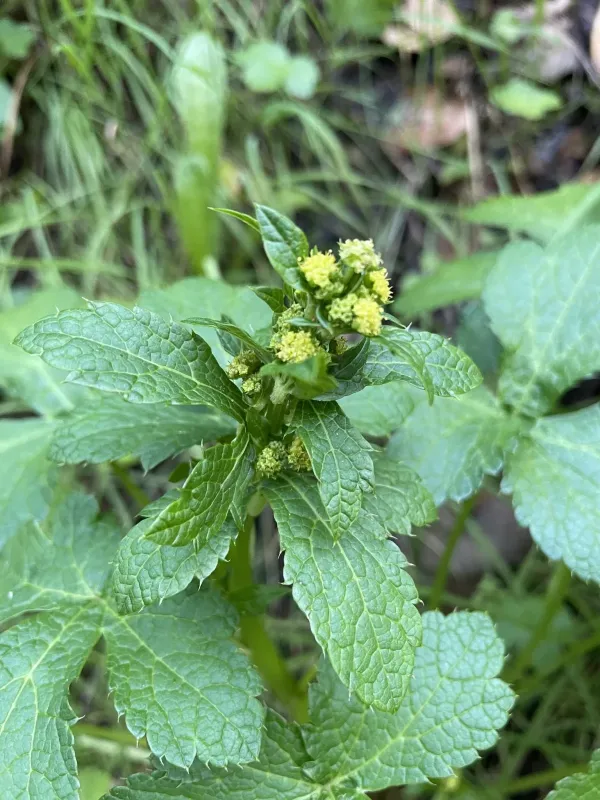
Sanicula crassicaulis
Sanicula crassicaulis
Description
Sowing dates
Sanicula crassicaulis is a perennial herb belonging to the Apiaceae family, native to the Pacific coast regions and other temperate zones.
Propagation is primarily achieved through seeds, which often require cold stratification to break dormancy and ensure germination.
Sowing in autumn is the most recommended practice, as it mimics the natural cycle of the plant's development in its wild habitat.
The seeds should be sown shallowly, ideally covered by a thin layer of fine soil to protect them while allowing sufficient light exposure.
Seedlings need to be kept moist and sheltered until they are robust enough to be transplanted into permanent beds or garden sites.
Growing requirements
This species thrives in partial shade conditions, particularly in areas with rich, moist, and well-drained woodland soil types.
It is sensitive to waterlogging, so ensuring the soil structure provides adequate drainage is essential for healthy root development.
Moderate temperatures ranging between 15°C and 22°C are optimal for consistent vegetative growth throughout the growing season.
Applying organic mulch around the plant base is highly beneficial to maintain consistent soil moisture levels and prevent soil temperature fluctuations.
Soil pH should ideally be neutral or slightly acidic, which supports the plant's ability to uptake necessary nutrients from the ground.
Main diseases and pests
Common plant health issues include fungal infections like powdery mildew, which can develop quickly in poor ventilation conditions.
Aphids represent the most frequent pest challenge, often targeting the lush green foliage and tender new shoots of the plant.
Slugs and snails can cause severe physical damage, especially during damp spring conditions when the foliage is soft and succulent.
Integrated pest management, including regular inspection and the use of organic deterrents, is recommended to safeguard the crop.
Maintaining adequate spacing between individual plants is the most effective way to improve airflow and reduce the incidence of disease.
Harvesting
Harvesting the foliage for medicinal use should be done at the peak of the flowering stage when essential oils are at their highest.
The stems should be cut carefully to avoid damaging the crown, allowing the plant to potentially regrow in subsequent seasons.
Drying must occur in a dark, well-ventilated area to preserve the chemical potency and color of the harvested plant material.
Once dried, the herbs should be stored in airtight containers away from direct sunlight to maintain their therapeutic shelf life.
Seed harvesting should be timed carefully as the seed heads turn brown, indicating that the seeds have reached full maturity.