
Bear's-foot sanicle
Sanicula arctopoides
Description
Growing requirements
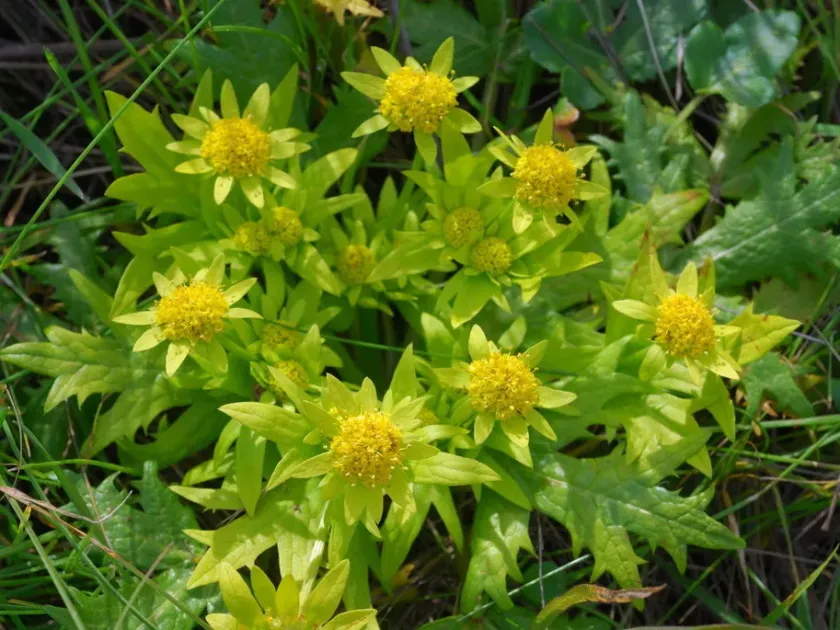
Bear's-foot sanicle (Sanicula arctopoides) is a distinctive perennial herb belonging to the Apiaceae family. It is recognized by its low-growing basal rosettes and clusters of bright yellow flowers, native to the coastal regions of the Pacific Northwest.
The plant thrives in sandy or rocky soils, typically found in coastal meadows and dunes. Good drainage is essential for the health of its root system, as the plant cannot tolerate saturated conditions over long periods.
In terms of climate, it is perfectly adapted to Mediterranean-style weather patterns with cool, wet winters and dry summers. It requires full sun exposure to maintain its compact growth form and abundant flowering.
Botany-wise, the species is known for its palmately lobed leaves, which often have a yellowish or olive-green hue. The flowers are arranged in dense heads that attract various native pollinators in the spring.
Host use of this plant is primarily focused on ecological restoration and xeriscaping. It is highly valued for its ability to withstand salt spray and wind, making it an excellent candidate for coastal landscape stabilization.
Main diseases and pests
The most common threat to Sanicula arctopoides is root rot caused by stagnant water or poor soil aeration. Maintaining a well-draining environment is the primary defense strategy against these fungal issues.
Pests such as aphids and spider mites can occasionally cause damage to the foliage, particularly during extended dry spells. Keeping the plants healthy with appropriate watering helps improve their natural resistance.
Powdery mildew is a potential risk when plants are crowded or grown in high-humidity areas with low airflow. Proper spacing ensures that leaves dry off quickly, reducing the likelihood of fungal colonization.
Soil-borne nematodes can damage the root systems of the plants if they are introduced through contaminated planting media. Ensuring the use of clean, sterile soil is critical for initial establishment.
Weevils can also impact the vigor of the plant by feeding on its roots or foliage. Integrated pest management, focusing on early detection and physical barriers, is recommended for healthy cultivation.