
Sharp sanicle
Sanicula arguta
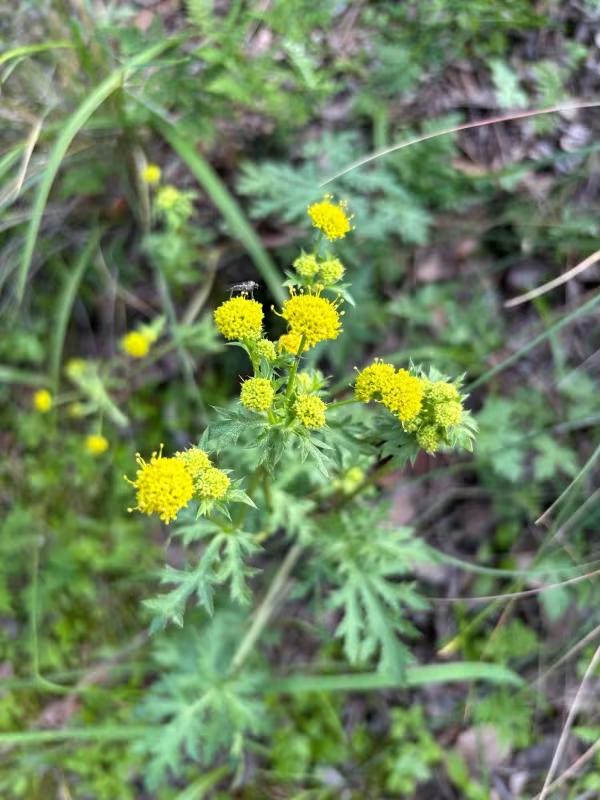
Description
Sowing dates
Sharp sanicle (Sanicula arguta) is a perennial herbaceous plant belonging to the Apiaceae family. Propagation primarily occurs through seeds, which often require cold stratification to break dormancy and ensure uniform germination.
In an agricultural setting, sowing is best performed in late autumn or early spring, provided the soil has reached the necessary temperature threshold for biological activity.
Seeds should be planted at a shallow depth to ensure they receive enough indirect light and consistent moisture levels, which are critical for the initial growth stages of this species.
Optimal spacing is essential, as the plant develops a wide basal rosette of leaves. Proper density helps in managing competition for light and nutrients between individual plants in the field.
Regular monitoring of seed germination rates allows for necessary thinning or reseeding to maintain an even and productive crop stand throughout the growing season.
Growing requirements
This species thrives in well-drained soils with a balanced nutrient profile. It is particularly sensitive to heavy, clay-rich soils that retain too much moisture, which can lead to root degradation.
Sanicula arguta prefers partial shade or dappled sunlight. Full, harsh sun exposure can stress the plant, resulting in leaf yellowing and a reduction in the quality of the harvested biomass.
The climate requirements mimic Mediterranean conditions, characterized by mild, moist winters and relatively dry summers. Irrigation should be supplemental and carefully managed during drought periods.
Temperature control is vital; the plant performs best in a temperate range of 15-22 degrees Celsius. Excessive heat can trigger premature flowering and stop vegetative production.
Mulching the soil surface helps regulate ground temperature and moisture levels, mimicking the natural leaf litter layer that the species occupies in its native Californian habitats.
Yield
The yield of sharp sanicle is measured primarily by the quantity and quality of its foliage, which is often harvested for its secondary metabolites and botanical properties.
Consistent crop yields are achieved through the application of balanced organic fertilizers, which promote steady growth without encouraging excessive, succulent tissue that might attract pests.
Harvesting strategies involve selecting plants at the peak of their vegetative growth, usually just before the onset of full flowering, to maximize the concentration of desired compounds.
With proper crop management and soil maintenance, the plantation can sustain high productivity for several consecutive seasons, providing a reliable source of raw material.
Advanced agricultural practices, such as precision drip irrigation and soil nutrient testing, can significantly enhance the uniformity and volume of the yield in commercial operations.
Main diseases and pests
The main threats to Sanicula arguta include root-rotting fungi (such as Phytophthora or Pythium), which thrive in overly damp conditions and can quickly decimate a healthy stand.
Pests like aphids and spider mites can infest the leaves, particularly in sheltered or low-ventilation environments, necessitating early intervention using integrated pest management strategies.
Powdery mildew is a common foliage disease in this family, usually manifesting during periods of high humidity and requiring prompt fungicidal or cultural controls to prevent spread.
Slugs and snails can be highly destructive to the tender basal leaves, especially in the spring. Protective barriers or organic baiting are effective mitigation methods for smaller plots.
Maintaining a clean, weed-free environment and adhering to strict sanitation protocols prevents the buildup of pathogens and reduces the likelihood of severe pest outbreaks.
Harvesting
Harvesting should be conducted during dry weather to prevent moisture buildup within the harvested biomass, which is critical for avoiding spoilage during the post-harvest period.
Mechanical harvesting tools must be adjusted to cut at the appropriate height, ensuring that the plant's crown remains intact to facilitate regrowth for the following season.
Immediate drying in a controlled, well-ventilated environment is necessary to stabilize the active ingredients and ensure the product meets high-quality standards.
Storage should occur in a cool, dark, and dry location using breathable packaging materials to allow for airflow and prevent the development of mold during long-term storage.
After the harvest is complete, removing plant debris from the fields helps maintain hygiene and limits the overwintering of pathogens that could affect the next year's crop.