
Sanicula tracyi
Sanicula tracyi
Description
Growing requirements
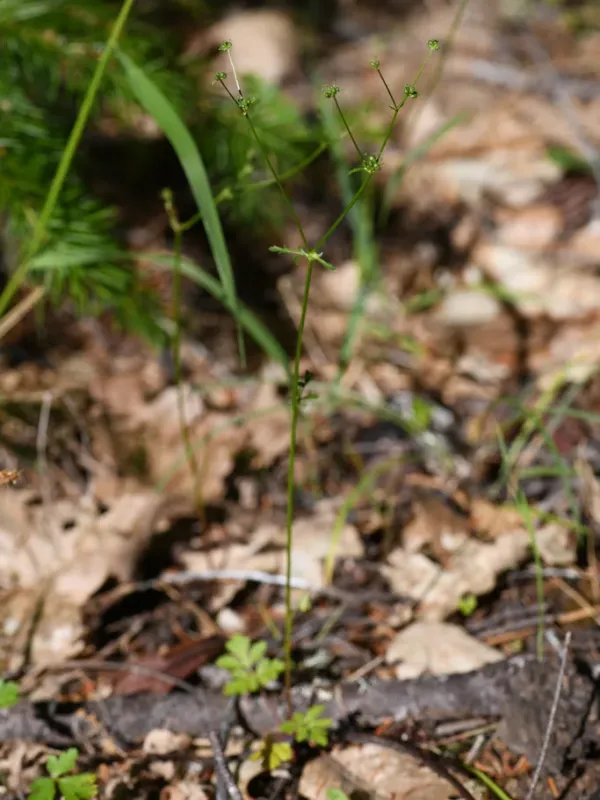
Sanicula tracyi is a perennial herb belonging to the Apiaceae family. Native to North America, it is particularly recognized for its distinct botanical structure and its preference for specific forest-floor habitats.
Cultivation of this species requires a shaded or semi-shaded environment that mimics natural woodland conditions. Consistent moisture levels are vital for plant health, although it is imperative to prevent waterlogging to avoid root issues.
The ideal soil profile for Sanicula tracyi includes well-draining, loose, and humus-rich soil. It thrives in soils with a neutral to slightly acidic pH, which supports the necessary nutrient uptake for its vegetative growth stages.
Regarding climate, the plant prefers moderate temperature ranges. A period of winter cooling is generally required to break seed dormancy and ensure robust development during the following growing season.
Economic use of this plant remains niche, primarily focused on botanical collections and studies of Apiaceae biodiversity. Potential medicinal properties are researched due to the presence of secondary metabolites, though professional handling is advised.
Main diseases and pests
Root rot is the most significant threat to Sanicula tracyi. It is often triggered by poor soil aeration or excessive irrigation, which encourages the growth of water-borne fungal pathogens such as Phytophthora.
Slugs and snails frequently cause mechanical damage to leaves, especially in moist, shaded environments where they can easily thrive. Regular manual removal or environment modification is recommended for control.
Powdery mildew can affect the plant during humid, stagnant periods. Improving air circulation around the plants and avoiding overhead irrigation can effectively reduce the risk of this fungal disease.
Soil nematodes may also impact the root system, causing stunted growth and decreased vigor. Utilizing sterilized soil mixes and maintaining strict hygiene protocols is essential to prevent infestations in greenhouse or garden conditions.
Monitoring the plant for discoloration or wilting is a critical part of the daily maintenance routine. Early detection allows for immediate intervention, such as adjusting the soil moisture or moving the plant to a better-ventilated area.