
Small's sanicle
Sanicula smallii
Description
Growing requirements
Small's sanicle (Sanicula smallii) is a perennial herbaceous plant belonging to the Apiaceae family. It is native to the southeastern regions of the United States, where it typically inhabits moist, temperate deciduous forests.
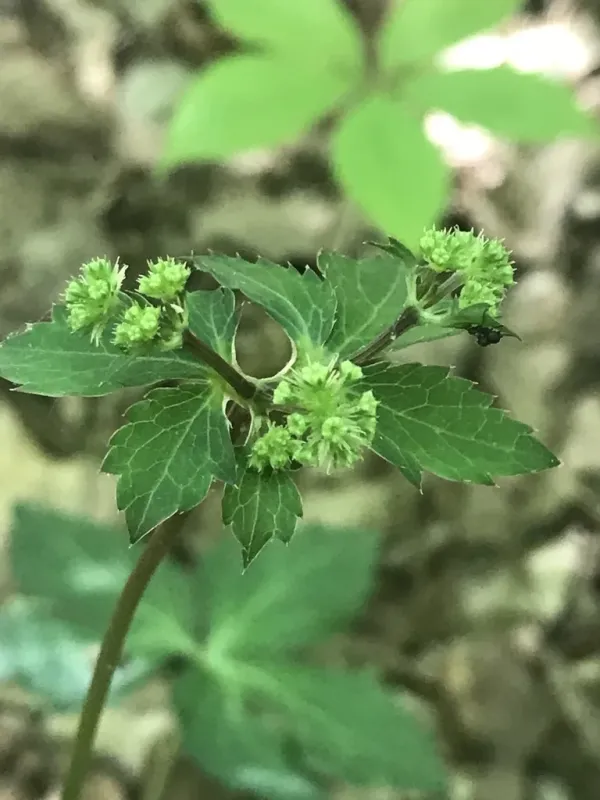
Botanically, the plant is characterized by its basal rosette of deeply lobed leaves and slender, branched flowering stalks. It produces small, greenish-white or yellowish flowers arranged in clusters typical of the carrot family.
The cultivation of this species requires a soil environment rich in organic matter and consistent moisture retention. Unlike many agricultural crops, it thrives in shaded conditions, mimicking its natural habitat on forest floors.
Climate requirements involve moderate temperatures without extreme heat or prolonged drought. The plant exhibits hardiness during winter months but benefits from organic mulch to protect the roots from extreme temperature fluctuations.
In terms of practical use, Small's sanicle is primarily utilized in botanical gardens and shade-tolerant landscapes. Its unique leaf morphology and subtle flowering structure make it an interesting subject for conservation and ecological study.
Main diseases and pests
The primary threats to Sanicula smallii are fungal pathogens that thrive in high-humidity environments. Root rot and leaf spot diseases are common concerns if the drainage is insufficient or if soil remains waterlogged.
Pests such as slugs, snails, and spider mites often target this plant, especially when grown in sheltered, dense shade areas where these creatures find favorable conditions for reproduction.
Effective management includes maintaining proper spacing between plants to ensure good air circulation, which helps dry out the foliage and reduce the risk of mold and fungal infections.
Integrated pest management strategies involve monitoring for signs of herbivory early in the season and implementing physical barriers or organic controls to protect the delicate leaves from mollusk damage.
Sanitary practices, including the removal of dead or decaying plant matter around the base of the plant, are essential to prevent the accumulation of pests and inoculum that could compromise plant health.