
Sanicula saxatilis
Sanicula saxatilis
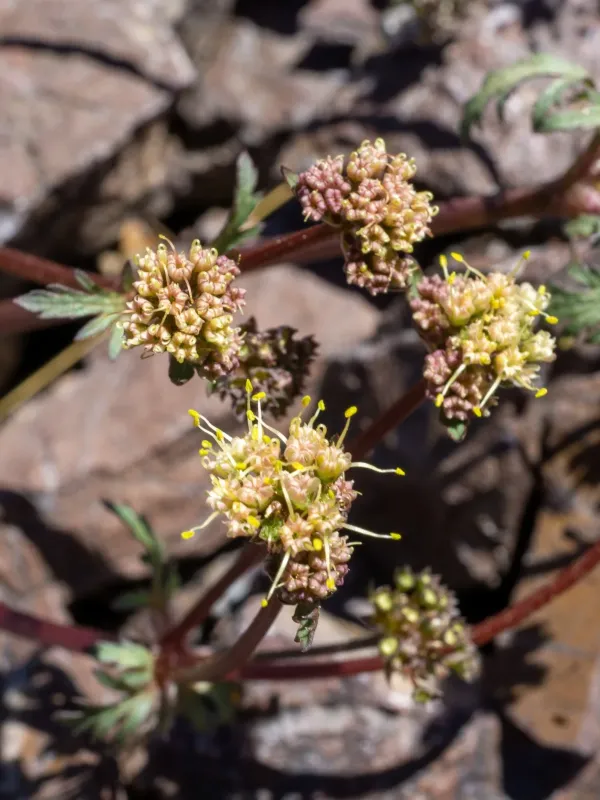
Description
Growing requirements
Sanicula saxatilis is a perennial herbaceous plant belonging to the Apiaceae family. It is primarily found in high-altitude environments, specifically adapted to growing in rocky crevices and steep slopes where few other plant species can survive.
Botanically, the plant features a basal rosette of deeply lobed leaves and sturdy roots that anchor it firmly to the substrate. Its reproductive structures consist of small, greenish-yellow flowers arranged in compound umbels, which are typical for the carrot family but smaller and more compact in this specific species.
The cultivation of this plant requires a precise imitation of its natural habitat. The substrate must be highly porous, consisting mainly of inorganic materials like gravel and coarse sand. Any organic-rich soil that retains too much moisture will inevitably cause root rot.
Climatic requirements focus on a cool, well-ventilated environment with significant light exposure. Sanicula saxatilis struggles in lowland areas with high humidity and extreme summer temperatures, as it is physiologically adapted to the cooler, thinner air of mountain regions.
Management involves minimal watering, relying instead on ambient humidity and moisture captured by the mineral substrate. Pruning is generally unnecessary, except for the removal of dead foliage at the end of the growth cycle to ensure good air circulation around the root crown.
Main diseases and pests
The primary threats to Sanicula saxatilis are fungal infections, particularly those affecting the root system due to overwatering. Maintaining optimal aeration is the most effective preventative measure against soil-borne pathogens.
Pests such as aphids can colonize the inflorescences during the active growing season. Constant monitoring of the plant’s health is necessary to detect these infestations before they cause damage to the developing flowers or leaves.
Spider mites are another potential threat, especially in drier indoor or greenhouse environments. These pests thrive in hot, dry air, which can be detrimental to the plant's delicate leaf tissues if not addressed with increased humidity or targeted treatments.
Slugs and snails present a seasonal challenge, particularly for plants grown in rock gardens or pots placed near the ground. Using copper rings or sharp grit as a physical barrier can prevent these pests from reaching the foliage.
Lastly, viral diseases may pose a long-term risk. Because these pathogens can persist in the environment, it is crucial to ensure that only healthy, clean plant material is introduced to the garden and that tools are strictly sanitized.