
Red-flowered sanicle
Sanicula rubriflora
Description
Growing requirements
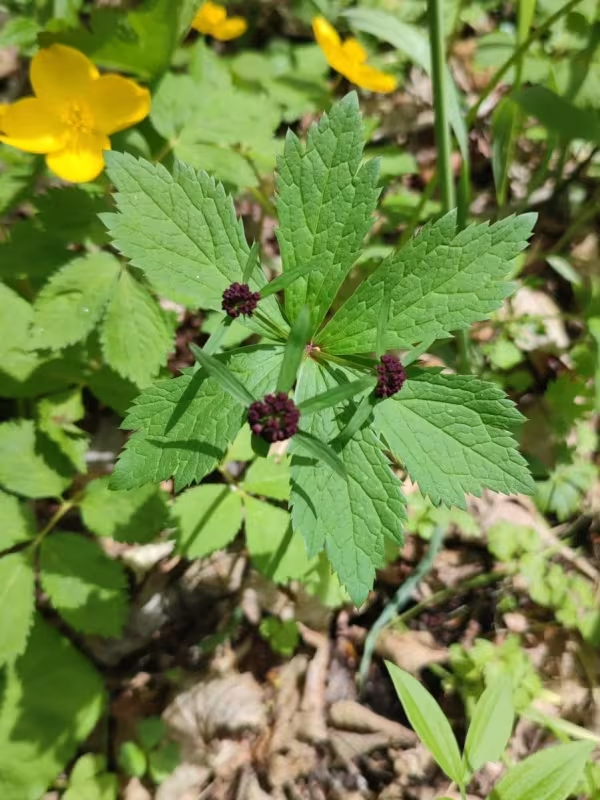
The red-flowered sanicle (Sanicula rubriflora) is a herbaceous perennial member of the Apiaceae family. It is distinct due to its basal leaf rosette and reddish flower heads, which are highly adapted to low-light conditions typically found in forest margins or shaded mountainous regions.
The plant possesses a robust taproot system that supports its endurance in diverse environmental conditions. Its biological cycle is optimized for cooler temperatures, allowing it to initiate early spring growth when moisture availability in the soil is at its peak.
Agronomic requirements include well-drained, fertile soil with a slightly acidic to neutral pH level. Soil structure should be loose to prevent waterlogging, as the species is highly susceptible to root decay if water accumulates around the base of the plant during the dormant period.
Climate needs involve avoiding direct high-intensity sunlight, which can cause leaf scorch and inhibit the reproductive phase. Consistent soil moisture levels are crucial during the late vegetative stage, and mulching is highly recommended to regulate soil temperature and moisture loss.
Commercially, the crop is valued for its phytochemical constituents, which are researched for potential pharmacological applications. Proper cultivation strategies allow for the standardized harvesting of aerial parts, ensuring high-quality raw material yield for industrial processing.
Main diseases and pests
The primary threats to Sanicula rubriflora crops are fungal pathogens, particularly those inducing stem and root rot. Maintaining adequate air circulation between plants and avoiding over-irrigation are the most effective cultural control methods against these infections.
Pest management focuses on soil-dwelling insects and larvae that target root tissue. Using certified seeds and maintaining soil hygiene are essential to mitigate the risk of infestation, ensuring consistent plant health throughout the growing season.