
Sanicula odorata
Sanicula odorata
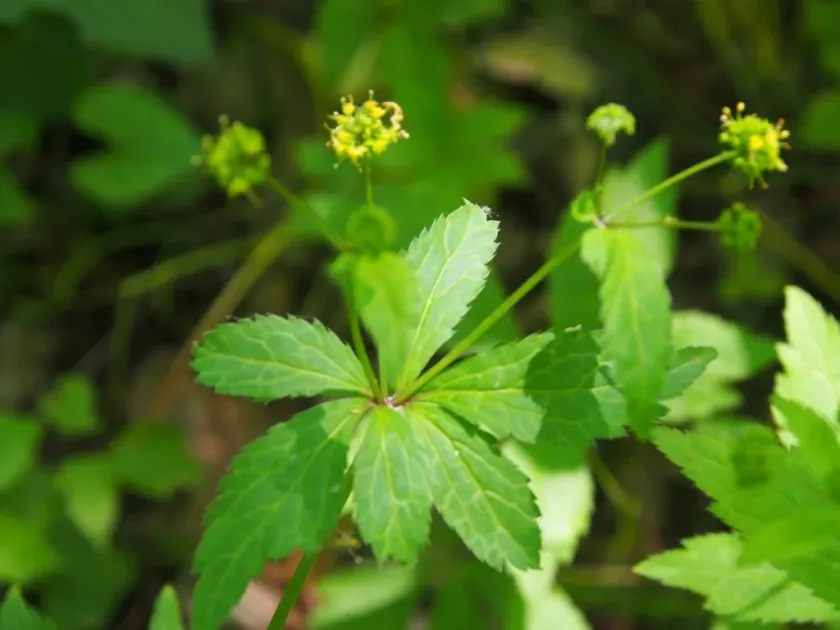
Description
Sowing dates
Sanicula odorata is a perennial herbaceous plant known for its specific germination requirements. The seeds possess a significant dormancy period, which typically necessitates cold stratification for 1–3 months to ensure uniform emergence in a controlled or field environment.
The optimal time for sowing seeds outdoors is during the autumn season. This allows the seeds to undergo a natural period of winter hardening, which improves germination rates once temperatures rise in the spring.
If utilizing a greenhouse or indoor seed trays, sowing should occur in late winter. Utilizing a sterile, well-draining peat-based medium helps prevent damping-off diseases, which are common among Apiaceae seedlings.
Seed placement should be shallow, generally 0.5 to 1 cm deep. Maintaining consistent moisture is critical, as the small seeds are highly vulnerable to desiccation during the initial weeks of development.
Vegetative propagation via root division is a viable alternative for established plants. Dividing the rootstock in early spring or late summer allows the plant to re-establish a strong root system before the onset of extreme seasonal temperatures.
Growing requirements
As a member of the Apiaceae family, Sanicula odorata thrives in environments mimicking its native North American forest habitats. It requires rich, loamy, and well-structured soils that are abundant in organic matter.
Moisture management is a cornerstone of its cultivation. The species prefers soil that is consistently moist but possesses excellent drainage capabilities; waterlogging is detrimental to the plant's long-term survival.
Light levels should be carefully managed. The plant is shade-tolerant and prefers dappled light or partial shade. Exposure to direct, intense solar radiation often results in leaf chlorosis and stunted vegetative development.
The ideal temperature range is cool to moderate. While the plant is hardy in winter, it can be sensitive to sudden thermal spikes in late spring, which may trigger early senescence of the foliage.
Soil pH should remain in the neutral to slightly acidic range. Regular additions of compost or organic mulch help maintain soil structure and provide the slow-release nutrients necessary for healthy growth throughout the growing season.
Main diseases and pests
The primary threats to Sanicula odorata populations in an agronomic setting are fungal pathogens, specifically those that thrive in high-humidity environments. Powdery mildew and various leaf spot fungi are the most prevalent diseases observed.
Gastropods, including slugs and snails, represent the most significant pest pressure, especially during wet growing seasons. They can cause severe damage to the delicate foliage and basal rosettes of the plants.
Root rot, driven by poor soil drainage and overly frequent irrigation, is a frequent cause of plant failure. Implementing a robust drainage system is essential for minimizing the risk of soil-borne diseases.
Aphids occasionally infest the flowering stalks, particularly during the early summer months. Monitoring is vital, as early intervention with insecticidal soaps or biological controls can prevent population explosions.
Cultural control is the most effective approach to preventing pests and diseases. This includes ensuring proper plant spacing for air circulation and removing debris from the base of the plant to eliminate overwintering sites for pathogens.