
Sanicula maritima
Sanicula maritima
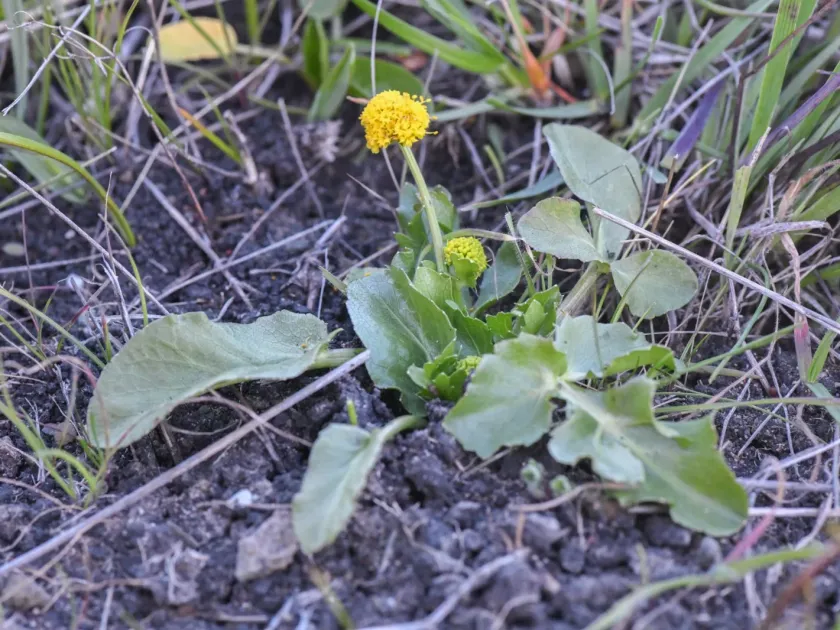
Description
Growing requirements
Sanicula maritima is a distinct perennial herbaceous plant belonging to the Apiaceae family. It is specifically adapted to coastal environments, exhibiting unique morphological traits that allow it to thrive in saline and humid conditions.
The plant originates from temperate coastal regions, where it occupies niches with high soil moisture and specific mineral compositions. Its natural distribution is localized, making it a specialized subject for conservation and research in botany.
In terms of climate requirements, the plant demands consistent, moderate temperatures. It is highly intolerant to extreme heat, which can cause physiological stress and inhibit its reproductive capacity. Partial shade is recommended for optimal development.
Soil structure is critical for the success of this crop. A well-aerated, loamy, or sandy soil with high organic matter content is essential. The soil must provide effective drainage while maintaining a stable moisture level throughout the growing season.
Agricultural management should focus on maintaining a stable environment. Regular monitoring of the moisture balance is required, as the plant does not tolerate drought or prolonged waterlogging, which disrupts its nutritional uptake.
Main diseases and pests
The primary threats to Sanicula maritima include various soil-borne pathogens, particularly fungi causing root rot. These organisms flourish in poorly drained or overly saturated soils, necessitating strict moisture control.
Pests such as aphids and spider mites can infest the foliage, particularly in greenhouse or sheltered conditions. Biological control agents are preferred to maintain the integrity of the plant's natural balance.
Slugs represent a significant risk, especially during the early stages of plant development. Protecting the seedlings with physical barriers is a standard procedure in managed cultivation areas.
Powdery mildew is a common foliar disease triggered by poor air circulation. Increasing spacing between plants and ensuring proper airflow is essential for preventing the spread of spores between individuals.
Routine inspections are vital for detecting early signs of viral infections, which can manifest as leaf chlorosis or stunted growth. Immediate removal of affected plants is necessary to prevent a wider outbreak.