
Sanicula graveolens
Sanicula graveolens
Description
Sowing dates
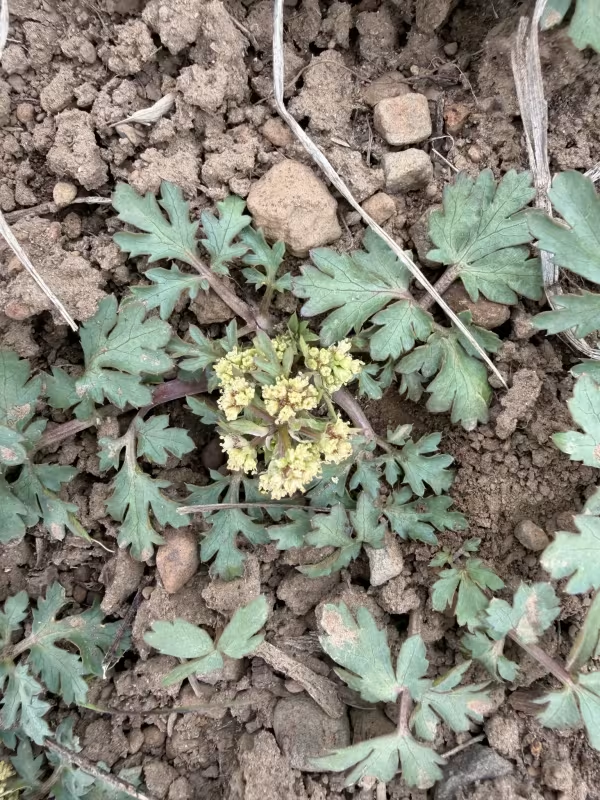
Sanicula graveolens, commonly known as Sierra sanicle, is a perennial herb belonging to the Apiaceae family. It is primarily native to the mountainous regions of Western North America, thriving in shaded woodland environments where it develops its characteristic root system.
Propagation is typically carried out via seeds which require cold stratification to break dormancy. Sowing should be timed for late autumn to allow the natural winter freeze-thaw cycles to stimulate germination in the early spring, ensuring a higher rate of seedling emergence.
When seeding in a controlled environment, maintain a cool temperature profile during the first few weeks. The seeds should be lightly covered with a thin layer of fine substrate to prevent drying while ensuring they receive adequate moisture to initiate the metabolic processes of growth.
The young plants exhibit a slow developmental phase, often spending their first season focusing on root establishment and the formation of a basal rosette. Therefore, weed control in the initial stages is critical to prevent the seedlings from being outcompeted by more aggressive flora.
Proper spacing is essential to ensure that the mature rosettes have enough room for optimal growth. A density of approximately 20 to 25 plants per square meter is usually sufficient to balance individual plant health with the desired yield of botanical material.
Growing requirements
The plant thrives in partial shade or filtered sunlight, reflecting its natural forest habitat. Exposure to intense, direct afternoon sun can cause leaf scorch and dehydration, significantly reducing the vigor and quality of the medicinal harvest.
Soil requirements involve a preference for well-draining, humus-rich loams that retain moisture without becoming waterlogged. The addition of organic matter like leaf mold or well-rotted compost is highly beneficial for improving soil structure and nutrient availability.
The optimal pH range for Sanicula graveolens is slightly acidic to neutral (6.0 to 7.0). Maintaining this range helps ensure the availability of micronutrients essential for the secondary metabolites that often give the plant its medicinal properties.
Climate adaptability is tied to its alpine and temperate origins, meaning it prefers cool nights and moderate daytime temperatures. Extremely high heat and drought conditions will induce physiological stress, leading to premature senescence of the foliage.
Watering must be managed carefully, favoring consistent, moderate moisture levels. The root system is sensitive to prolonged saturated conditions, which can lead to crown rot; thus, a coarse, well-draining soil profile is the best defense against overwatering issues.
Main diseases and pests
Fungal pathogens such as powdery mildew and various leaf spot diseases represent the most common threats, especially in humid or stagnant air environments. Adequate spacing and proper airflow are the primary cultural controls for managing these potential outbreaks.
If chemical or biological intervention is necessary, targeted fungicide applications during the early vegetative stage are most effective. Always check the specific agricultural guidelines to ensure that any products used are safe for the intended end-use of the herbal material.
Root pests, including nematodes and certain beetle larvae, can be problematic in soils with a history of intensive cropping. Implementing a multi-year crop rotation schedule is an effective agronomic practice to break the life cycles of these soil-borne threats.
Slugs and snails often feed on the young, tender leaves in the early spring, potentially decimating a new planting. Using mechanical barriers, such as copper tape or crushed eggshells, or biological traps can help mitigate this damage without chemical residues.
Systemic diseases resulting from improper soil management, such as root rot caused by Phytophthora or Pythium species, are dangerous during wet seasons. Avoiding site preparation on poorly drained soils is the single most effective way to prevent these severe issues.