
Hacquetia epipactis
Sanicula epipactis
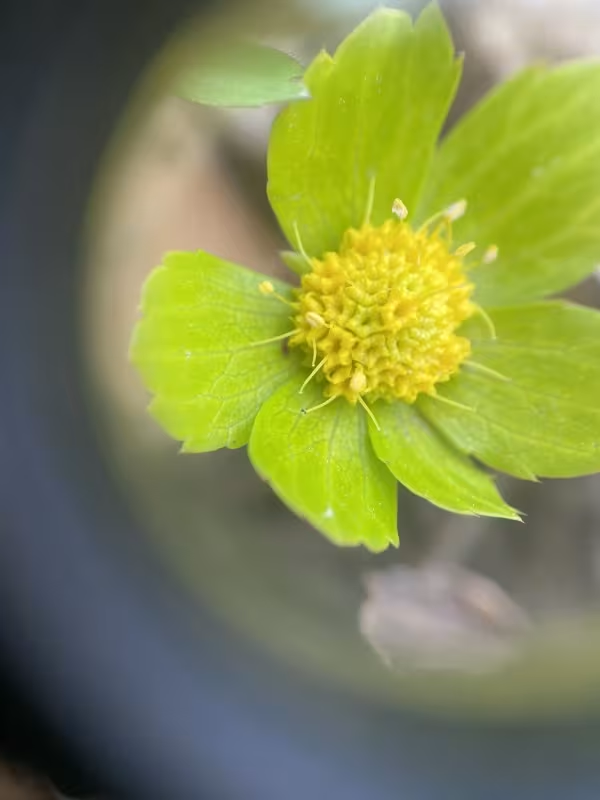
Description
Growing requirements
Hacquetia epipactis, a member of the Apiaceae family, is a slow-growing herbaceous perennial originating from the deciduous forests of Central and Southeastern Europe. It is highly valued for its early spring blooms.
This crop thrives in shaded or semi-shaded environments. It is perfectly adapted to woodland conditions where it receives filtered light, making it an excellent choice for north-facing garden beds.
The soil should be rich in humus, well-draining, and moisture-retentive. It performs best in neutral to slightly acidic soil conditions and does not tolerate waterlogging during the dormant winter period.
Regular irrigation is necessary to maintain soil moisture during the spring growth phase. However, once the plant enters summer dormancy, the water requirements decrease, though the soil should never completely dry out.
Propagation is most successfully achieved by dividing the rootstock in early spring just before active growth begins. Alternatively, fresh seeds can be sown in pots outdoors to undergo natural stratification.
Main diseases and pests
The most significant pests affecting Hacquetia epipactis are slugs and snails. They are particularly attracted to the tender, yellowish-green leaves and bracts as they emerge in early spring.
Fungal diseases such as root rot can occur if the plant is grown in heavy, poorly drained clay soils. Ensuring a porous soil structure is the most effective preventative measure against these pathogens.
Foliar diseases like leaf spots may appear if the foliage stays wet for prolonged periods without adequate airflow. Proper spacing during planting is essential to prevent moisture accumulation.
Integrated pest management should prioritize physical barriers, such as copper tape or crushed shells around the base of the plant, to protect it from mollusks without excessive chemical use.
Healthy, well-nourished plants are generally resistant to most common diseases. Periodic application of organic mulch provides necessary nutrition and keeps the root zone cool, minimizing stress-induced infections.