
Wester sage
Salvia x westerae J. R. I. Wood
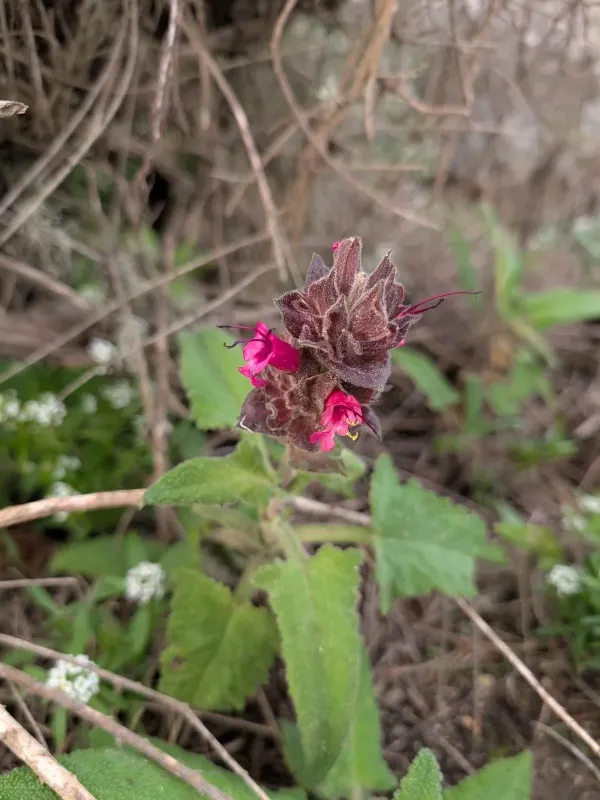
Description
Growing requirements
Salvia x westerae is a notable interspecific hybrid within the Lamiaceae family. This perennial plant is recognized for its unique botanical profile, which is a result of natural hybridization processes found in high-altitude habitats.
The origin of this culture is rooted in the Andean regions of Bolivia. Its adaptation to harsh mountain environments requires specific cultivation practices that mimic these conditions, particularly regarding light intensity and air circulation.
The plant thrives in well-draining, porous soil types with a slightly acidic to neutral pH balance. Soil aeration is critical, as stagnant water is one of the primary factors that negatively impact the longevity of the root system.
Temperature requirements are fairly strict; the species prefers cool to moderate temperatures rather than intense heat. In cultivation, keeping the plant in a bright location with indirect sunlight helps maintain structural integrity and leaf color.
Agricultural management involves careful irrigation, ensuring the substrate dries out between watering cycles. During the growing season, moderate fertilization is sufficient to support healthy foliage and flower production.
Main diseases and pests
Common botanical threats include fungal infections such as Botrytis and root rots, typically triggered by improper ventilation or excessive moisture accumulation within the canopy.
Pest management focuses on monitoring for greenhouse whiteflies and spider mites, which can proliferate rapidly in indoor or greenhouse settings. Applying neem oil or specialized biological agents is recommended for control.