
Balkan clary
Salvia x sylvestris L.
Description
Sowing dates
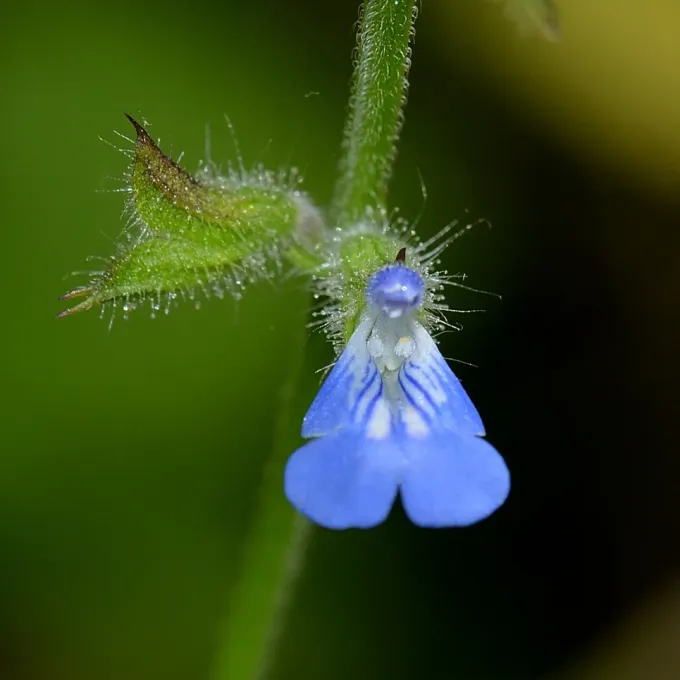
Balkan clary (Salvia x sylvestris L.) is a hybrid perennial herb belonging to the Lamiaceae family, known for its cold hardiness and vibrant spikes of purple-blue flowers. It is widely cultivated for its ornamental value and its significant role as a prolific nectar source for pollinators.
Sowing in open fields is typically performed in late autumn, allowing the seeds to undergo natural stratification through winter, which enhances germination success. For spring planting, seeds must be cold-stratified at temperatures between 2 and 5 degrees Celsius for about a month before being sown in early April.
When starting from seeds indoors, a light, well-draining potting mix is required. Seeds should be surface-sown as they require light for optimal germination; they should be gently pressed into the soil surface but not buried deeply. Consistent moisture is critical during the first three weeks of growth.
Seedlings should be transplanted to their permanent location once the risk of frost has passed, usually in late May. Maintaining a spacing of 40–50 centimeters is essential, as this provides adequate room for the root systems to expand and allows for sufficient airflow, which is crucial for plant health.
Once established, Balkan clary displays vigorous growth and can remain productive on the same site for several years. Regular maintenance of the root zone and removal of encroaching grasses are necessary to ensure the longevity of the stand.
Growing requirements
This species thrives in full sun exposure, which is necessary for compact growth and abundant flowering. Plants grown in shaded areas often suffer from leggy stems, reduced flowering intensity, and increased susceptibility to fungal issues due to retained humidity.
Soil requirements for Salvia sylvestris include well-drained, slightly alkaline or neutral soils. It shows a high tolerance for drought once mature, making it a sustainable choice for water-conscious landscapes. Heavy clay soils that remain saturated during winter months are detrimental and often lead to root rot.
While the plant is hardy and adapted to temperate climates, mulching around the base during the first winter can help protect the root system. Proper drainage is the most important factor in site selection, as standing water will cause the plant to decline quickly.
Fertilization should be handled with caution, focusing on moderate nutrient supply. Over-fertilizing, particularly with nitrogen, will result in excessive foliage growth at the expense of flower production. A balanced, slow-release fertilizer applied in early spring is usually sufficient to support the season's growth.
Weed control is essential, particularly in the first year of establishment. Hoeing the soil surface between rows helps in aeration and breaks up the crust, allowing water to penetrate the root zone effectively without disturbing the delicate shallow roots of the sage plants.
Main diseases and pests
Balkan clary is relatively robust, but it can be affected by powdery mildew when grown in overcrowded conditions with poor air circulation. This fungal disease appears as a white dusting on leaves and can be mitigated by ensuring proper spacing and removing debris from around the base of the plant.
Root rot, triggered by poorly draining soil or excessive rainfall, is a common cause of plant failure. Symptoms include wilting, yellowing of foliage, and necrotic root tissue. Ensuring a well-drained soil structure is the most effective preventative measure against these soil-borne pathogens.
Slugs and snails can be a nuisance for young, tender foliage during the spring. Implementing mechanical barriers or using organic-approved slug pellets can help protect the plants until they reach a more mature, resilient state.
Aphids might occasionally colonize the tips of the shoots during hot, dry weather. Because this plant is highly attractive to bees, the use of synthetic insecticides is strictly discouraged. Instead, manual removal or the application of insecticidal soaps is recommended to keep pest populations in check.
Practicing good garden hygiene, such as cutting back dead foliage in the autumn and removing diseased plant parts, is vital. Rotation of planting sites every few years can also help prevent the buildup of specific soil pathogens, ensuring long-term crop productivity.
Harvesting
For medicinal or culinary use, the flowering spikes should be harvested at the beginning of the blooming period, as this is when the concentration of essential oils is at its peak. Clipping the top portion of the stems is sufficient to collect the desired material.
Drying must be conducted in a cool, shaded, and well-ventilated area. High temperatures and direct sunlight will cause the degradation of aromatic compounds and reduce the quality of the harvest. Properly dried stems should be brittle and retain their color.
Balkan clary is highly regarded in apiculture for its long flowering season. To encourage a second flush of flowers later in the summer, one should perform a 'deadheading' procedure, cutting back the spent spikes once the initial bloom fades, which also prevents unwanted self-seeding.
Storage of the dried product should be in airtight containers, kept in a dark and dry place to prevent moisture re-absorption and loss of potency. Properly stored material can retain its quality for up to a year, making it suitable for seasonal market needs.
Seed harvesting should be planned when the lower portions of the flower spikes turn brown and firm. The seeds are extracted by threshing the dried spikes, followed by careful cleaning and winnowing to remove chaff and ensure a pure final product.