
Painted sage
Salvia viridis L.
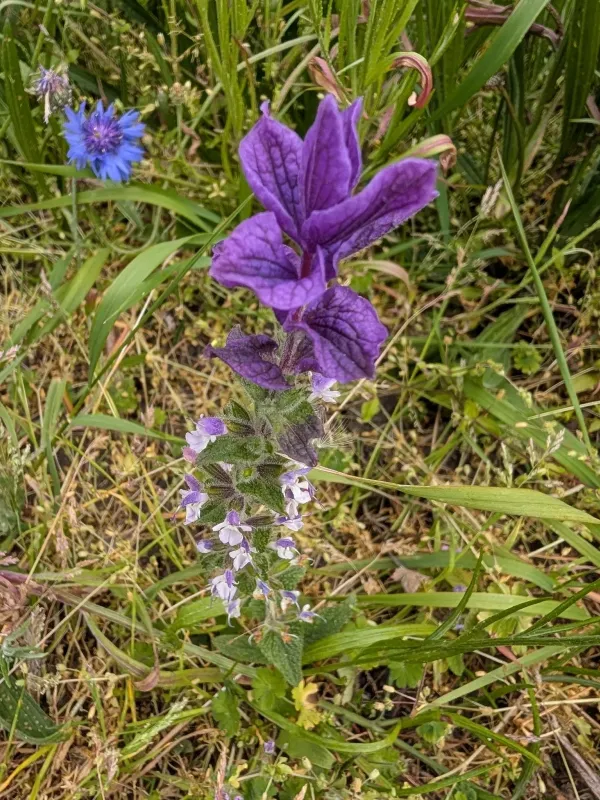
Description
Sowing dates
Painted sage (Salvia viridis L.), belonging to the Lamiaceae family, is a popular annual plant prized for its colorful, showy bracts that mimic the appearance of flower petals.
Sowing in open fields should occur during the spring season, typically after the last frost date, to ensure that soil temperatures remain consistently above 15°C.
Indoor propagation is recommended for regions with shorter growing seasons, starting the seeds in greenhouse trays about 4–6 weeks before the planned outdoor transplantation.
Since the seeds are tiny and require light for germination, they should be sown shallowly or pressed gently into the surface of a fine-textured, moist potting medium.
Consistent moisture levels are essential during the germination phase, which usually takes between 10 to 14 days under optimal temperature conditions.
Growing requirements
This species thrives in full sun exposure, which is absolutely critical for the development of the vivid, bright pigmentation on its colorful terminal bracts.
Painted sage performs best in well-drained, sandy-loam soils that are slightly alkaline to neutral, avoiding any heavy clay soils that retain excessive moisture.
It is notably drought-tolerant once established, requiring deep but infrequent watering to encourage a robust root system and prevent stem rot issues.
While the plant is undemanding in terms of nutrient intake, a balanced application of organic compost during soil preparation significantly enhances overall growth vigor.
Proper air circulation is a key factor in the successful cultivation of this species, requiring adequate spacing between plants to prevent micro-climate humidity build-up.
Main diseases and pests
The primary threat to the crop is powdery mildew, which tends to manifest in damp, stagnant air conditions, significantly degrading the ornamental quality of the foliage.
Root rot caused by overwatering or soil compaction can lead to sudden plant collapse, necessitating immediate adjustments to the irrigation schedule and soil drainage.
Insect pests such as aphids and spider mites can infest the undersides of the leaves during hot, dry spells, often requiring targeted biological control measures.
Young seedlings are particularly vulnerable to gastropods like slugs and snails, which can decimate new plantings in a very short amount of time during spring.
Integrated pest management strategies, including the removal of infected debris and maintaining clean field borders, are essential for maintaining a healthy and productive stand.
Harvesting
The harvest for ornamental use should be performed at the peak of bloom, just as the bracts exhibit their most intense color and before the flowers begin to shed.
Stems are cut at the base, tied into loose bundles, and air-dried in a dark, well-ventilated room to preserve the natural vibrancy of the bracts for various floral arrangements.
For seed production, allow the inflorescences to fully mature on the plants until the stalks become woody and the seed-bearing capsules turn brown and brittle.
Seeds should be collected during dry weather, threshed carefully to avoid damage, and stored in breathable containers in a cool, dark environment to ensure longevity.
Properly cured and dried stems of painted sage retain their aesthetic value for months, making them a highly desirable crop for the commercial dried flower market.