
Bog sage
Salvia uliginosa Benth.
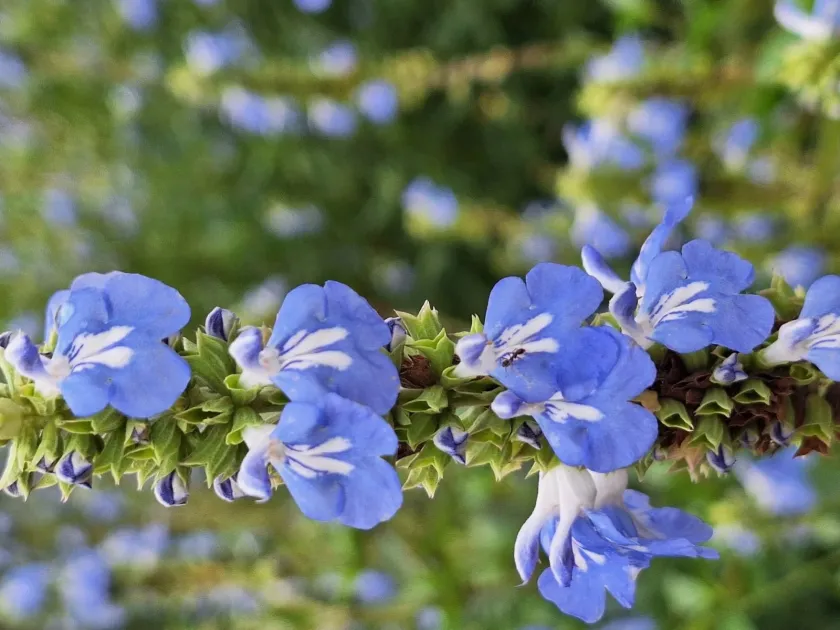
Description
Sowing dates
Seeds of Salvia uliginosa should be sown indoors in late winter or early spring to ensure a strong start before the planting season.
Transplanting into the permanent garden location is recommended once all danger of frost has passed in the late spring.
For vegetative propagation, division of mature clumps can be performed in the early spring, ensuring each section has healthy roots.
The seeds require light to germinate, so they should be only lightly covered with fine potting mix during the initial sowing stage.
Spacing plants about 50 centimeters apart allows for adequate air circulation, which is vital for the health of this vigorous grower.
Growing requirements
This species thrives in consistently moist to wet soil, making it an ideal choice for the margins of ponds or naturally boggy areas.
Full sun is preferred, although the plant can tolerate partial shade, especially in warmer climates where the sun is particularly intense.
Rich, organic-based soil provides the necessary nutrients for the plant to reach its full height, which can exceed one meter.
Mulching around the base helps retain soil moisture and protects the root system from rapid temperature fluctuations during summer.
While hardy in many zones, it may require a protective cover or winter mulch in colder regions to prevent deep soil freezing.
Main diseases and pests
Salvia uliginosa is generally robust, but poor drainage coupled with high humidity can occasionally encourage powdery mildew.
Aphids might appear on tender new growth, especially if the plant is stressed due to inconsistent water supply or nutrient deficiency.
Slugs and snails can pose a threat to young seedlings and emerging shoots, often necessitating vigilant monitoring in early spring.
Good cultural practices, such as removing damaged foliage and maintaining cleanliness around the base, effectively prevent many issues.
If chemical intervention becomes necessary, use targeted treatments in the early morning to minimize impact on beneficial pollinators.