
Linden-leaf sage
Salvia tiliifolia Vahl
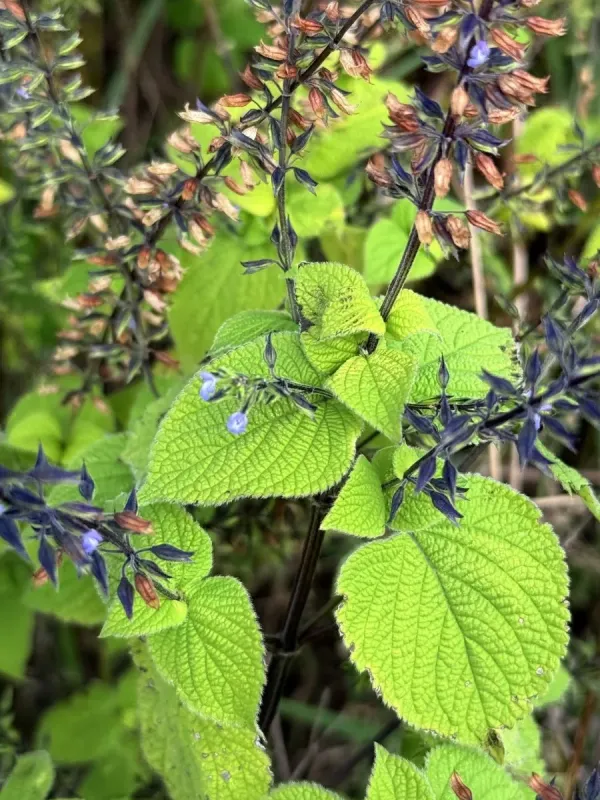
Description
Sowing dates
Sowing of Salvia tiliifolia is typically carried out in spring, once the soil has warmed up to a temperature of 12–15 degrees Celsius. Ensuring a stable temperature regime is crucial for uniform seed germination, as the seeds require sufficient light to sprout.
The sowing depth should not exceed 1–2 centimeters, which is dictated by the small size of the seeds. When sowing in rows, a spacing of approximately 45–60 centimeters between rows should be maintained to ensure optimal nutritional area for each plant.
The optimal window for open-field sowing usually occurs during the second half of April or early May, depending on the specific climatic zone. Pre-stratification of seeds for several weeks can significantly increase the germination rate.
In commercial agriculture, the seedling method is often practiced, which allows for stronger plants and shortens the growing period in the field. Seedlings are transplanted into the soil after the danger of night frosts has passed.
Planting density must consider the biological characteristics of the species, as Salvia tiliifolia bushes can grow to a significant size, requiring proper air circulation between individual plants to remain healthy.
Growing requirements
Salvia tiliifolia prefers well-lit areas with access to direct sunlight, which is necessary for the accumulation of essential oils and the proper development of foliage. The plant does not tolerate shaded locations well.
Soil requirements include good water and air permeability. The crop shows the best results on light sandy or loamy soils with a neutral or slightly alkaline pH level.
The plant belongs to the Lamiaceae family and is generally drought-resistant, yet it requires moderate watering during the active growth phase. Waterlogging the soil can lead to root system decay.
For successful cultivation, it is necessary to avoid fields with high groundwater levels, as excessive moisture is detrimental to this species. Good drainage is the foundation of a healthy plantation.
The plant responds well to the application of organic fertilizers during soil preparation, as well as moderate feeding with phosphorus-potassium compounds during the budding phase to boost natural immunity.
Main diseases and pests
The primary threats to Salvia tiliifolia plantations are fungal diseases that develop due to poor agronomic practices and water stagnation. Powdery mildew often affects plants in conditions of high humidity and poor ventilation.
Pests such as spider mites or aphids can cause significant damage to the leaves during dry periods. Regular inspections of the plants allow for the timely identification of outbreaks and the application of biological control measures.
Root rot poses a danger when crop rotation is not observed and when plants are cultivated in heavy, waterlogged soils. It is important to maintain spatial isolation from other species within the Lamiaceae family.
To prevent the spread of pests, regular weeding is recommended, as weeds can act as reservoirs for insect parasites. Maintaining clean rows is critical for the overall health of the crop.
- Regular soil aeration
- Removal of affected plant parts
- Adherence to irrigation standards
- Monitoring for insect pests
Harvesting
The harvesting of Salvia tiliifolia raw material is conducted during the phase of mass flowering, when the concentration of beneficial substances in the leaves and inflorescences reaches its peak. At this time, the plant is at its richest in essential oils.
The aerial part of the plant is cut at a height of 10–15 centimeters from the ground level. Subsequent drying must be carried out in the shade with good ventilation to preserve the color and aroma of the leaves.
For industrial use, it is essential to ensure rapid transport of the harvested material to the processing site to avoid self-heating and the subsequent loss of biologically active components.
When grown for seeds, the harvest is performed when the inflorescences turn brown and the seeds reach a dark brown color. It is important to harvest before mass shedding occurs, using specialized equipment or manual methods.
Post-harvest processing includes cleaning the raw material from foreign impurities, drying it to standard moisture levels, and storing it in dry, dark, well-ventilated rooms to prevent mold growth.