
Salvia ringens
Salvia ringens Sm.
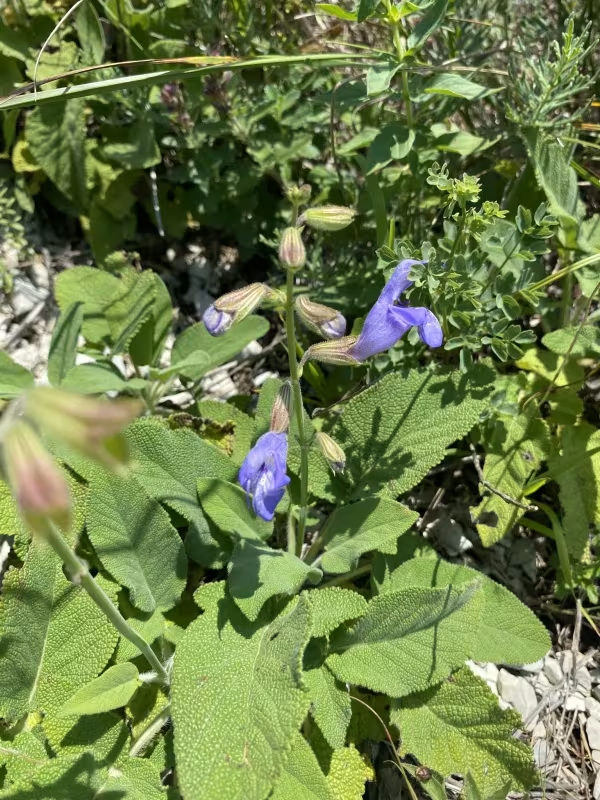
Description
Sowing dates
Salvia ringens is typically propagated by seeds, which should be sown in prepared beds during early spring when soil temperatures stabilize.
The seeds are small and require shallow planting, usually no deeper than 0.5 centimeters, to allow adequate light exposure for germination.
When starting indoors, seeds are sown in trays in late winter to ensure vigorous seedlings are ready for transplanting after the frost danger passes.
Adequate spacing, usually about 40 centimeters apart, is critical to ensure proper airflow around the plants as they develop their bushy structure.
Germination usually takes between two to three weeks depending on soil moisture levels and constant ambient temperature levels in the nursery area.
Growing requirements
Salvia ringens is a member of the Lamiaceae family, known for its preference for well-drained, sandy-loam soils and sunny locations.
The plant thrives in Mediterranean-style climates, characterized by warm, dry summers and relatively mild, moist winters with good drainage.
Watering should be managed carefully; while the plant is drought-tolerant once established, it requires consistent moisture during its initial growth phase.
Neutral to slightly alkaline soil pH is optimal for nutrient uptake, and the plant generally does not require heavily fertilized soil conditions.
Providing protection from cold winds is essential in regions with harsh winters, as the plant needs a sheltered position to thrive consistently.
Main diseases and pests
The main threats to Salvia ringens are fungal pathogens, particularly those triggered by excessive humidity or poor soil drainage around the roots.
Powdery mildew represents a common challenge during periods of high temperature fluctuations, appearing as white dust on foliage and stems.
Root rot caused by stagnant water is a serious issue that necessitates proper field levelling and the use of raised beds if necessary.
Pests like spider mites and aphids can become problematic in dry conditions, requiring careful monitoring and integrated pest management solutions.
Maintaining clear rows and removing weeds helps decrease the habitat for insect pests and promotes healthier plant development across the field.
Harvesting
The harvest phase for Salvia ringens typically occurs during the full bloom stage, as this is when essential oil content is at its highest.
Mechanical harvesting involves cutting the stalks at a specific height to leave the base intact, promoting potential secondary growth or winter survival.
Post-harvest handling is critical; the collected biomass must be transported quickly to a processing facility to avoid premature wilting or mold.
Drying is performed in climate-controlled rooms or specialized dryers to ensure that the active chemical compounds are preserved throughout the process.
Once dried, the plant material is cleaned of debris and stems, then stored in light-protected containers to maintain its pharmacological quality.