
Salvia patens
Salvia patens Cav.
Description
Sowing dates
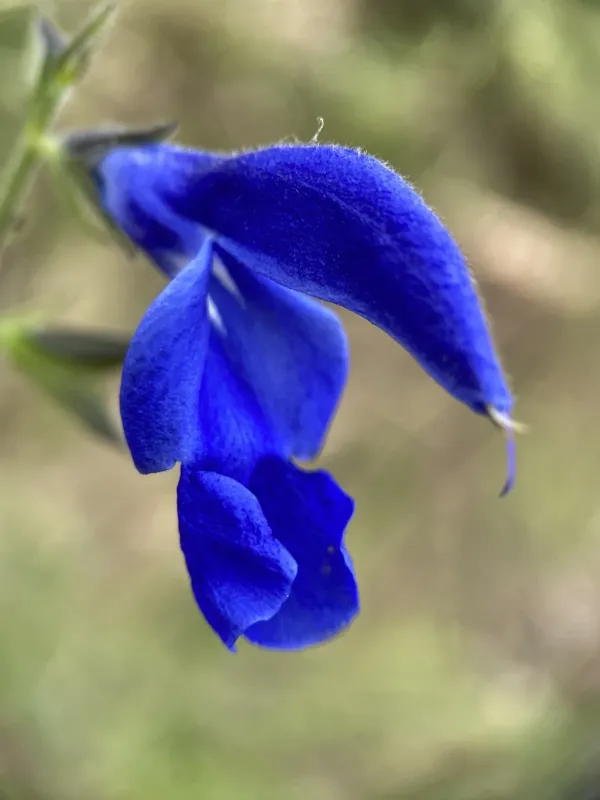
Salvia patens, commonly known as gentian sage, is a striking member of the Lamiaceae family. It is prized for its intense, electric blue flowers that add unique visual interest to any garden border or container display.
Seeds should be started indoors in late winter, typically February or March. Given the long germination and growth period, early sowing is essential to ensure the plants reach a flowering stage before the summer heat.
Use a sterile, well-draining seed-starting mix. Cover seeds lightly with soil, as they require some light for germination, and maintain a consistent temperature of around 20 to 22 degrees Celsius.
Once true leaves appear, transplant the seedlings into individual pots. This stage is crucial for developing a strong root system, which allows the plant to handle the stress of final transplanting into the garden later.
Move the plants to their permanent outdoor location only after the danger of frost has passed. Gradually harden off the plants for a week before planting to help them adjust to outdoor light and wind conditions.
Growing requirements
Salvia patens thrives in full sun, which is necessary for the production of its signature vibrant blue pigments. While it can tolerate partial shade in very hot climates, consistent exposure to sunlight is preferred.
The soil must be fertile, rich in organic matter, and possess excellent drainage. While it enjoys moisture, waterlogged roots are highly detrimental and can lead to immediate plant decline.
Regular watering is required throughout the growing season. The plant should not be allowed to dry out completely, particularly during peak summer months when transpiration rates are high.
Incorporate a balanced, slow-release fertilizer during the planting phase to ensure a steady supply of nutrients. Additional liquid feeding every few weeks can promote more prolific and continuous flowering.
In cooler climates, winter protection is mandatory. The roots are not reliably hardy in freezing ground, so they should be lifted and stored in a frost-free environment over the winter months.
Main diseases and pests
Slugs and snails are the most common pests, particularly for young plants in the spring. Barrier methods, such as crushed eggshells or copper tape, can effectively deter these pests from reaching tender foliage.
Aphids can accumulate on the flower spikes and young shoots. A simple jet of water or the application of insecticidal soap is usually sufficient to manage minor infestations without harming beneficial insects.
Powdery mildew may develop if there is poor air circulation or high humidity levels. Space plants adequately and ensure the area is well-ventilated to minimize the risk of fungal outbreaks.
Root rot is a significant risk in heavy, clay-based soils that retain too much moisture. Ensuring that the planting site has good soil structure and slope can mitigate this common horticultural issue.
Spider mites might appear during periods of prolonged drought and intense heat. Keeping the plant properly hydrated and occasionally misting the foliage can help prevent these microscopic pests from thriving.
Harvesting
Harvest flower spikes once the blooms are fully expanded for floral arrangements. Cutting stems early in the morning and placing them immediately in water extends their vase life significantly.
For seed saving, leave the seed heads on the stalks until they have completely turned brown and dried. Collect them carefully, as they tend to shatter and disperse easily once they reach maturity.
Cut back the entire plant after the first hard frost kills the foliage. This cleanup process helps maintain garden hygiene and prepares the rootstocks for winter storage or mulching.
If saving the rootstocks, shake off excess soil and place them in a box filled with dry peat or sand. The storage area must remain cool, dark, and dry to prevent the roots from rotting or sprouting prematurely.
Clean and store collected seeds in paper envelopes in a cool, dark location. Stored properly, the seeds can remain viable for several years, ensuring a supply for future growing seasons.