
Salvia oxyphora
Salvia oxyphora Briq.
Description
Growing requirements
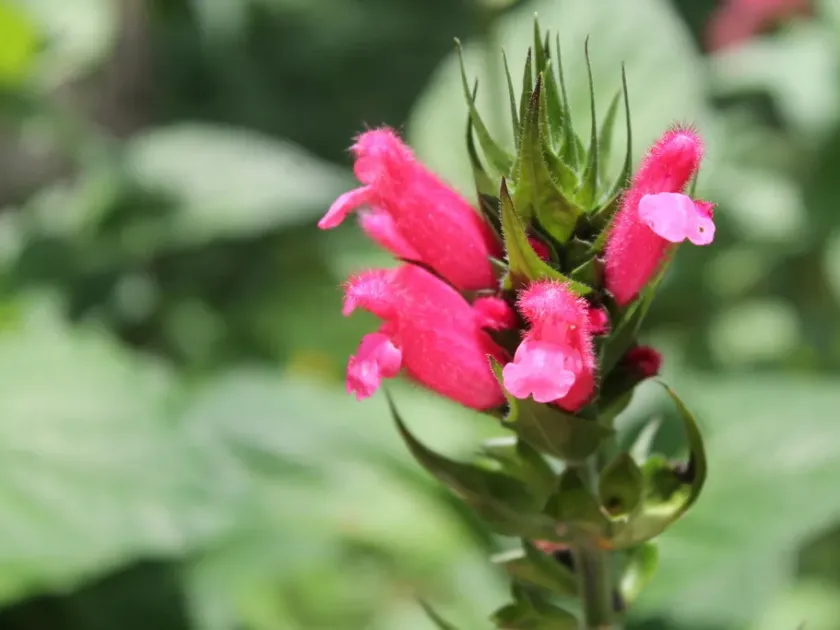
Salvia oxyphora Briq., a member of the Lamiaceae family, is a distinct species native to the high-altitude regions of Bolivia. It is highly regarded in botanical circles for its specialized, fuzzy, red-pink inflorescences.
As a montane species, it thrives in cool, humid environments rather than tropical heat. Successfully cultivating this plant requires mimicking its natural mountain habitat, often necessitating the use of greenhouses or controlled environments.
The soil requirements are specific: it needs a well-draining, nutrient-rich substrate. Stagnant water is the greatest threat to the roots, so soil must be porous and kept consistently moist but never waterlogged.
Light levels should be managed carefully; while it requires adequate light to bloom, harsh direct sunlight will damage the foliage. Bright, filtered light is the ideal balance for this species throughout its growing season.
The botanical structure of this sage includes robust stems and densely hairy leaves, which help the plant retain moisture in the mist-frequent environments of the Andean slopes.
Main diseases and pests
Plant health is primarily affected by environmental stress and subsequent opportunistic pathogens. Root rot is the most common issue, usually triggered by poor drainage or excessive irrigation during lower temperatures.
Spider mites are the most persistent pests for Salvia oxyphora, especially in indoor environments where the air is dry. Early detection is vital to prevent leaf drop and reduced plant vigor.
Whiteflies can also colonize the undersides of the leaves, feeding on plant sap and potentially spreading viral infections. Integrated pest management strategies, such as physical cleaning and horticultural soaps, are recommended.
Fungal diseases like powdery mildew may occur if air circulation is insufficient. Ensuring that the space around the plant is well-ventilated helps significantly in reducing the risk of fungal outbreaks.
Proper hygiene, such as removing dead plant material and ensuring clean tools during pruning, is essential for maintaining a healthy and thriving specimen in any horticultural setting.