
Salvia orbignaei
Salvia orbignaei Benth.
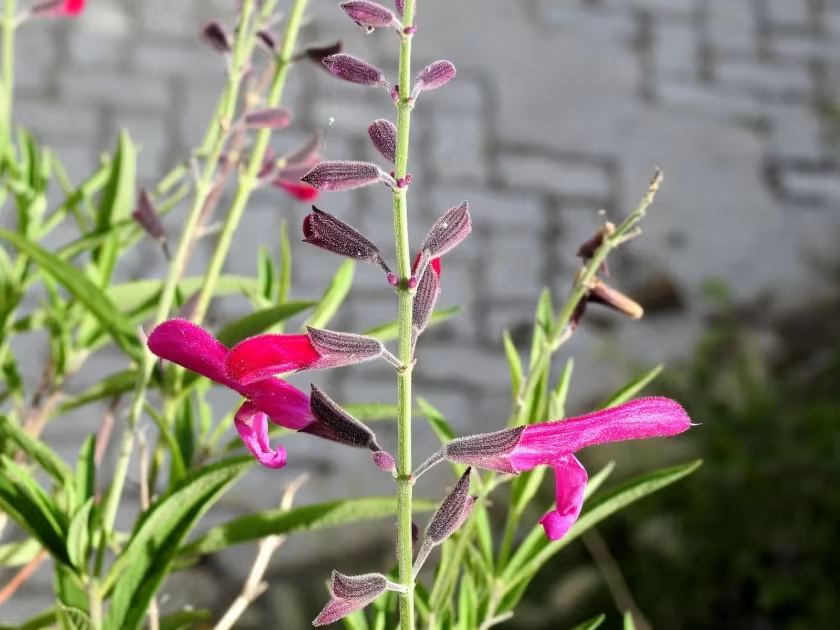
Description
Growing requirements
Salvia orbignaei is a distinct perennial plant species belonging to the Lamiaceae family. Native to the mountainous regions of South America, this species has evolved to thrive in high-altitude environments characterized by thin air, intense sunlight, and significant diurnal temperature fluctuations.
Agricultural success with this crop requires soils that mimic its natural habitat: sandy or rocky loam with excellent drainage properties. The species is highly intolerant of waterlogged soils, which can lead to rapid root rot and overall plant failure, making site selection critical for commercial success.
The climate requirements for Salvia orbignaei center on high solar exposure. It is a heliophilic plant, meaning it needs full sun to develop its characteristic chemical profile and essential oils. Excessive shade or high humidity during the growing season will significantly diminish the plant's vigor and quality.
In terms of management, the crop demonstrates high drought tolerance once established. Irrigation should be applied strategically, primarily during the seedling stage or during extreme, prolonged dry spells, ensuring that the soil surface dries out completely between watering sessions.
Cultural practices include maintenance of clean aisles between rows to promote air circulation. Given its origin, it prefers neutral to slightly alkaline soil conditions. Proper fertilization with low nitrogen levels is recommended to prevent excessive vegetative growth that could reduce the concentration of active medicinal compounds.
Main diseases and pests
The primary agricultural threats to Salvia orbignaei include fungal pathogens that thrive in humid environments. Powdery mildew and root rot represent the most significant risks, particularly when humidity levels exceed the plant's tolerance threshold or when ventilation is insufficient.
Pest pressure is frequently dominated by sucking insects, such as spider mites and aphids, which can colonize the foliage during hot, dry periods. These pests can drastically reduce photosynthetic efficiency if not managed through timely intervention and proper field sanitation.
Integrated Pest Management (IPM) strategies are highly recommended for this crop. Utilizing predatory mites or botanical insecticides can help control common pests without compromising the quality of the harvest or the integrity of the ecosystem within the agricultural plot.
Soil-borne pests, including various nematode species, can also impede root development. Implementing a strict crop rotation schedule, avoiding fields previously planted with other Lamiaceae members, is a vital step in maintaining soil health and long-term productivity.
Regular field scouting is essential to identify early signs of stress or infestation. By removing infected plants and improving air movement through spacing adjustments, growers can effectively manage most threats and ensure a stable and high-quality yield for industrial or medicinal use.