
Balkan clary
Salvia nemorosa L.
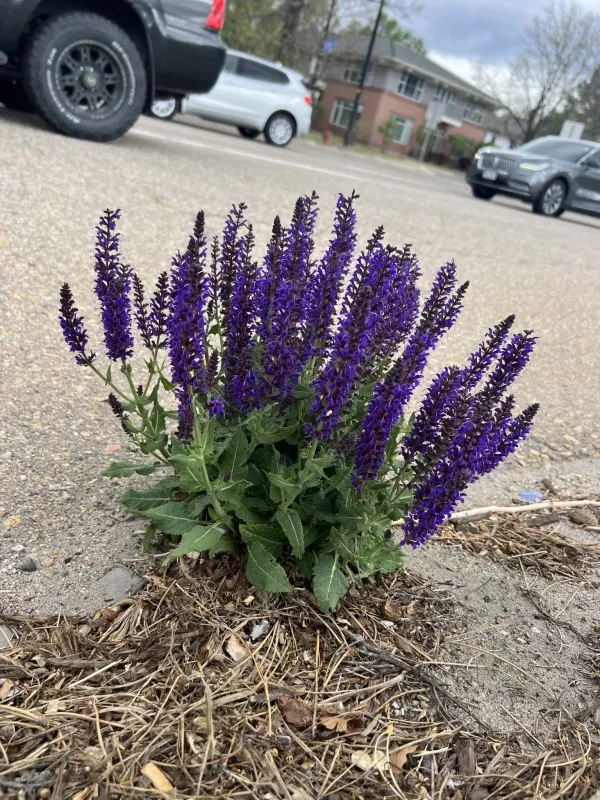
Description
Sowing dates
Sowing Salvia nemorosa is typically performed in late autumn for winter stratification or in early spring once soil temperatures reach 10–12°C.
Seeds require light to germinate; therefore, they should be surface-sown or covered only with a very thin layer of substrate or vermiculite.
For nursery production, sow seeds in trays during early March to ensure well-developed seedlings are ready for transplanting by the end of May.
Maintain spacing of 30–40 cm between plants to ensure proper aeration, which is crucial for preventing fungal pathogens in dense plantings.
The germination period usually lasts between 14 to 21 days depending on consistent soil moisture levels and stable environmental temperatures.
Growing requirements
Balkan clary (Salvia nemorosa L.), belonging to the Lamiaceae family, is a resilient perennial herb originating from Central and Eastern Europe.
This crop thrives in full sun exposure; while it tolerates partial shade, excessive shade results in leggy growth and lower essential oil content.
The ideal soil is sandy loam or well-draining loamy soil with a neutral to slightly alkaline pH level to maximize nutrient uptake.
Salvia nemorosa exhibits excellent drought tolerance once established, making it suitable for areas with limited water availability or dry climates.
Regular fertilization with balanced NPK formulas during the vegetative stage promotes robust growth and enhances the overall harvest yield.
Main diseases and pests
Powdery mildew represents the most significant threat to Salvia nemorosa, especially during seasons with high humidity and stagnant air.
Pests like spider mites and aphids can infest the undersides of leaves, requiring early monitoring and, if necessary, the application of horticultural soap or insecticides.
Root rot is a critical concern caused by poor soil drainage; ensuring adequate field slope or raised beds can mitigate this risk significantly.
Integrated pest management (IPM) strategies, including crop rotation and the introduction of beneficial predatory insects, are highly recommended.
Maintaining a clean field free of weeds helps minimize the spread of viral diseases and provides better access for maintenance equipment.
Harvesting
Harvesting should be timed to coincide with peak flowering when the essential oil concentration in the flower spikes is at its maximum.
Mechanical harvesting via sickle bar mowers is the standard approach for large-scale production, cutting stems 10–15 cm above the ground.
Post-harvest processing involves immediate drying in a shaded, well-ventilated space to preserve the natural color and aromatic properties of the herb.
Temperature control during the drying process is critical; keep temperatures below 40°C to prevent the loss of volatile compounds through evaporation.
Storage should be conducted in sealed, light-protected containers to maintain quality and shelf life until the product is processed or marketed.