
Mojave-Cleveland Sage
Salvia mohavensis x Salvia clevelandii
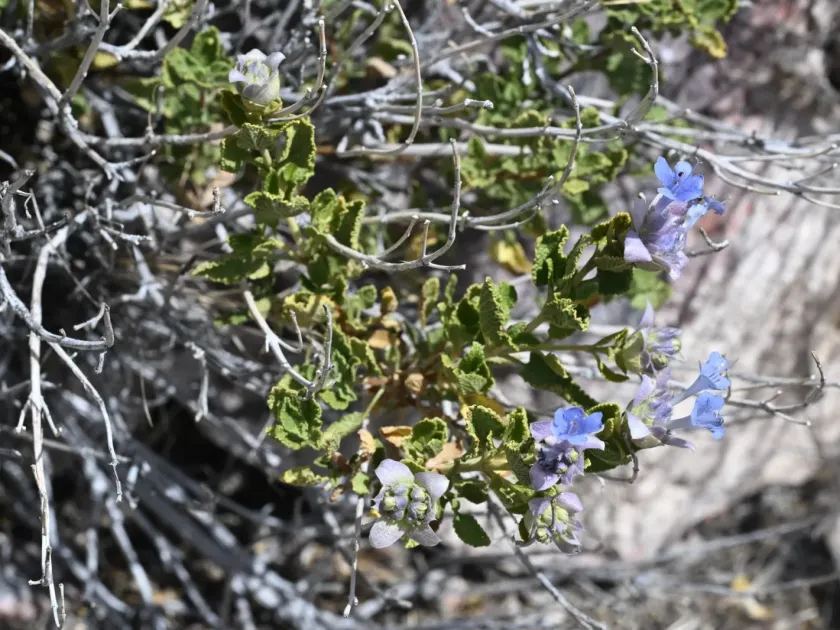
Description
Growing requirements
Mojave-Cleveland Sage is a distinct hybrid resulting from the crossing of Salvia mohavensis and Salvia clevelandii. Belonging to the Lamiaceae family, this plant is highly valued for its intense aromatic properties and resilience.
The culture originates from arid, rocky slopes and is adapted to thrive in harsh environments. It features a woody base and grey-green, fragrant foliage, which is characteristic of many drought-tolerant species in this genus.
Optimal growing conditions require well-draining, gritty soils with low fertility. This plant performs poorly in heavy, clay-based soils that retain moisture, as these conditions rapidly induce root rot and decline in health.
Sunlight exposure must be abundant to maintain the plant's structural integrity. At least six to eight hours of direct sunlight per day are necessary for the plant to produce its signature inflorescences and maintain the concentration of essential oils.
In terms of management, the species is considered a low-maintenance crop. It requires very little supplemental irrigation once established, making it a sustainable choice for xeriscaping and low-water agricultural projects in semi-arid regions.
Main diseases and pests
Root rot caused by Phytophthora species is the most significant threat to this hybrid. It is triggered by excess moisture and improper soil aeration, which are common issues in regions with high rainfall or heavy soil.
Powdery mildew is a secondary concern that typically affects the leaves when humidity levels are high and air movement is restricted. Keeping the plant canopy dry and open is the best preventative strategy against this fungal disease.
Aphids may occasionally infest new growth during the spring season. While these insects rarely kill the plant, they can disfigure the flowering stalks and reduce the overall aesthetic quality of the crop.
Good cultural practices, such as maintaining appropriate spacing between individual plants, are essential to prevent the spread of diseases. Overcrowding creates microclimates that encourage the development of pathogens.
Integrated pest management should focus on avoiding chemical pesticides that can damage the plant's delicate aromatic balance. Instead, prioritize drip irrigation systems that keep the foliage dry and reduce surface humidity.