
Salvia miniata
Salvia miniata Fernald x S. splendens Sellow ex Nees
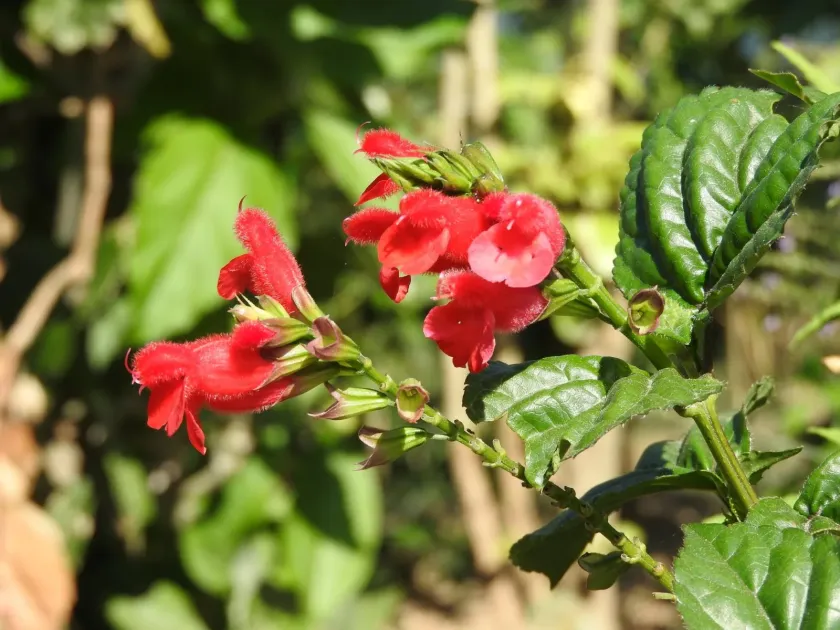
Description
Sowing dates
Sowing Salvia miniata seeds in temperate climates should begin in late winter, approximately 8 to 10 weeks before the last frost date, to ensure vigorous plant growth.
The seeds require consistent temperatures between 20–24°C for optimal germination, making the use of heated propagators or warm indoor environments essential for professional results.
A well-draining, sterile seed-starting mix is critical, as the delicate seedlings are highly susceptible to "damping off" when exposed to excessive moisture or poor aeration.
Once the first set of true leaves develops, seedlings should be carefully pricked out into individual pots to allow for adequate space and root system expansion before hardening off.
Transplanting into the garden should only take place once the soil has warmed significantly and all danger of night frosts has completely passed to avoid shock.
Growing requirements
As a member of the Lamiaceae family, Salvia miniata thrives in full sun conditions, though in exceptionally hot climates, partial afternoon shade can prevent leaf scorch and heat stress.
The ideal soil is rich, fertile, and well-structured, providing excellent drainage while maintaining a consistent moisture level throughout the active growing season.
Regular watering is necessary to support the plant's high metabolic rate, but gardeners must ensure that the soil surface dries slightly between applications to protect root health.
Fertilization with a balanced, water-soluble fertilizer every two to three weeks will support the prolonged, vibrant blooming characteristic of this species.
Due to its hybrid nature and sensitivity to freezing, Salvia miniata is generally managed as an annual in cooler regions, although it may be overwintered in greenhouses if kept frost-free.
Main diseases and pests
Powdery mildew represents a major threat during humid, stagnant air conditions, requiring adequate plant spacing and potential fungicide treatment to maintain aesthetic quality.
Root rot and Phytophthora are common issues associated with waterlogged conditions, highlighting the importance of proper soil management and irrigation control.
Spider mites often target the plant in hot, dry conditions, causing mottled leaves and reduced vigor, which requires early detection and integrated pest management strategies.
Aphids can cause significant damage to emerging shoots and inflorescences; therefore, regular inspections and the use of insecticidal soaps are recommended for control.
Whiteflies are another potential pest, particularly in greenhouse settings, and should be managed with yellow sticky traps or appropriate biological control agents to minimize chemical usage.