
Salvia miniata
Salvia miniata Fernald
Description
Growing requirements
Salvia miniata, commonly known as the hummingbird sage, is a perennial herbaceous plant belonging to the Lamiaceae family. Native to the tropical regions of Mexico, this species thrives in understory conditions, preferring partial shade and consistently moist environments.
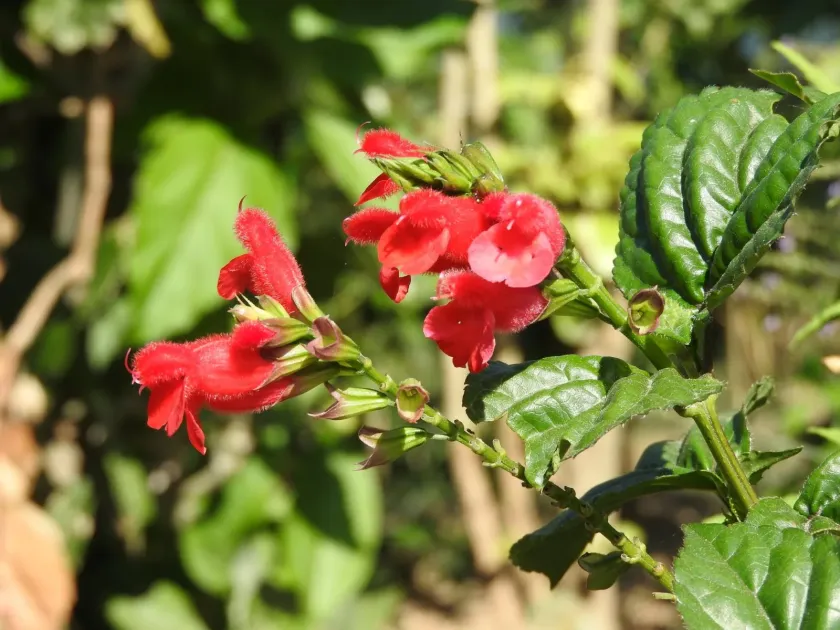
Botanically, the plant is distinguished by its upright growth habit and lustrous, dark green foliage that provides a lush backdrop for its vibrant, bright red tubular flowers. The inflorescences are elongated spikes that can last for several weeks during the active blooming season.
The crop requires fertile, well-draining soil with a slightly acidic to neutral pH level. Proper soil structure is essential, as the roots are sensitive to compaction and waterlogging, which often leads to rapid decline in the plant's overall vitality.
Climate requirements include protection from intense direct sunlight, which can scorch the glossy leaves. It grows best in moderate temperatures and requires shelter from frost, making it ideal for indoor cultivation or greenhouses in cooler temperate regions.
In terms of agricultural and horticultural use, Salvia miniata is primarily valued as an ornamental specimen. It is frequently employed in shady borders, conservatory displays, and container gardening to attract pollinators and add vivid color to the landscape.
Main diseases and pests
Powdery mildew is one of the most common threats to Salvia miniata, especially when humidity levels are high and air circulation is insufficient. Maintaining adequate spacing between plants is a primary preventative measure against this fungal disease.
Pests such as spider mites and whiteflies can infest the foliage, particularly in greenhouse settings where air might be stagnant or dry. Early detection through regular leaf inspection is crucial for effective management.
Biological controls and targeted insecticidal soaps are recommended for dealing with common sucking pests. Avoiding broad-spectrum pesticides helps preserve the beneficial insects that may visit the blooming spikes.
Root rot, often caused by overwatering or poor drainage, poses a significant risk to the longevity of the plant. A well-designed drainage system and precise watering schedule are fundamental to preventing these issues.
Consistent plant care, including nutrient management with balanced fertilizers, helps strengthen the plant against various environmental stressors and pathogenic infections throughout the growing cycle.