
Mexican sage
Salvia mexicana L.
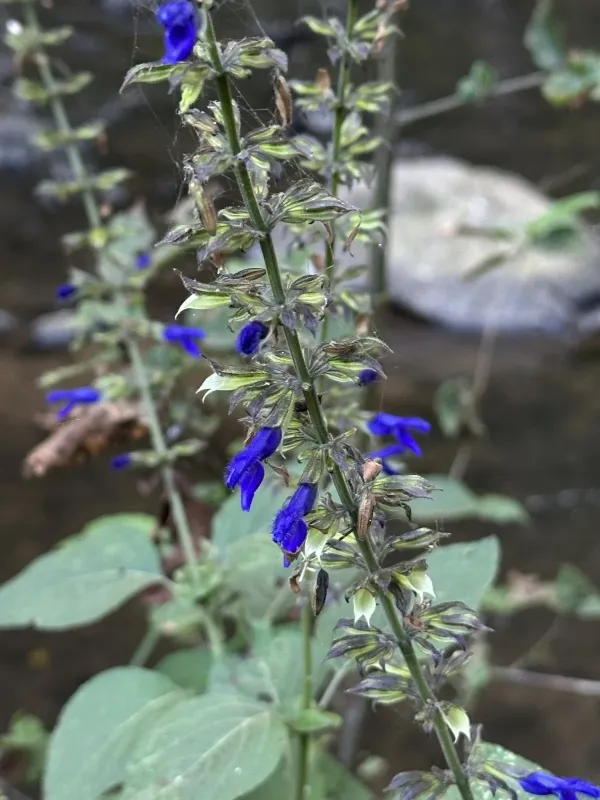
Description
Sowing dates
Mexican sage (Salvia mexicana) belongs to the Lamiaceae family. It is a perennial herbaceous plant known for its vibrant spikes and vigorous growth habit in favorable climates.
Propagation is primarily achieved through seeds or stem cuttings. For seed sowing, it is best to start indoors in late winter, about 8 to 10 weeks before the last frost date, using a well-draining seed-starting mix.
Seeds require light to germinate, so they should be sown on the surface of the soil and pressed down gently without covering them deeply. Maintain a temperature between 20°C and 22°C for optimal germination success.
When sowing outdoors, it is essential to wait until the soil is thoroughly warmed up. Direct seeding should only be attempted in regions with long growing seasons, as the plant is slow to establish.
Transplanting seedlings to their final location should be done carefully after the danger of frost has passed. Hardening off the plants for a week before moving them outdoors will significantly improve their resilience.
Growing requirements
This species thrives in full sun, which is necessary to achieve its characteristic rich purple-blue floral display. While it can tolerate partial shade, too little light will result in leggy stems and fewer blossoms.
The ideal soil is fertile, loose, and slightly acidic to neutral in pH. Because the plant is native to mountainous regions, it demands excellent drainage; heavy clay soils should be amended with organic matter and grit.
Watering should be consistent but cautious. While Mexican sage is moderately drought-tolerant once established, it prefers a steady moisture supply during the active growing season to support its height.
Temperature control is crucial. Mexican sage is not frost-tolerant and will suffer damage if exposed to sub-freezing temperatures. In temperate climates, it is often grown as an annual or overwintered in a greenhouse.
Air circulation is vital for this plant. Planting it in a location with good breeze helps prevent the accumulation of moisture on the foliage, which is a common trigger for several physiological issues.
Yield
The хозяйственное (economic) utility of Mexican sage is primarily ornamental, favored for its use in border gardens and large-scale landscapes. It provides a significant amount of biomass that can be used for aromatic extracts.
Yield potential is enhanced by proper spacing, typically 50 to 60 centimeters apart, allowing for adequate air movement and growth space. This prevents the overcrowding that often leads to reduced flowering.
The flowering phase occurs late in the season, extending into autumn. During this time, the plant produces large, showy spikes that are highly valued by gardeners and can be harvested for dried arrangements.
For those interested in essential oil production, the harvest should occur during peak bloom. The essential oils are concentrated in the leaves and floral spikes, which should be dried in a dark, cool space.
Regular fertilization with balanced nitrogen-phosphorus-potassium fertilizers during the vegetative stage helps maximize the overall height and foliage density, leading to more abundant flower production.
Main diseases and pests
Aphids are the most common pests affecting Salvia mexicana, particularly during the hot, dry spells of summer. They cluster on tender new shoots and can severely weaken the plant if left untreated.
Spider mites may also pose a threat, especially in conditions where the air is excessively dry. Regular inspection of the undersides of leaves is necessary to catch infestations before they become critical.
Root rot is the most significant disease threat, almost always caused by poor drainage or overwatering. Once rot sets in, it is difficult to treat, making preventative soil management the best cure.
Powdery mildew can affect the plant during humid, stagnant conditions. This fungal disease appears as a white dusting on the foliage and is best managed by pruning to improve airflow around the base.
To control pests without using harsh chemicals, horticultural soaps or neem oil can be applied. Always perform treatments early in the morning or late in the evening to protect beneficial pollinators.