
Long-spiked sage
Salvia longispicata M. Martens & Galeotti
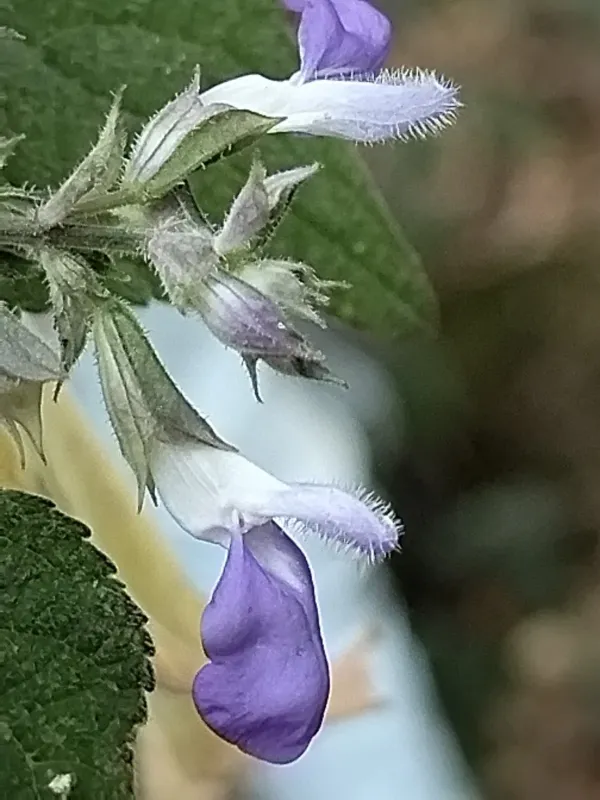
Description
Sowing dates
Long-spiked sage (Salvia longispicata), a member of the Lamiaceae family, is a perennial herb often grown for its aromatic and ornamental properties. Seeds are best sown in early spring once soil temperatures reach 15 degrees Celsius.
For nursery production, seeds should be started indoors 6 to 8 weeks before the last frost. This allows for a robust start and ensures plants are ready for transplanting as soon as conditions improve.
Planting depth should be minimal, approximately 0.5 cm, as the seeds require light for optimal germination. A well-draining, sterile potting mix is recommended to prevent seedling diseases.
When sowing directly into the field, a spacing of 45-60 cm between rows is ideal. This ensures adequate airflow and space, which are essential for maintaining the health of the foliage.
Regular irrigation is vital during the germination phase. Once established, the plants demonstrate moderate drought tolerance, but early-stage consistency remains crucial for stand density.
Growing requirements
This species thrives in full sun, which is necessary to maximize essential oil production in the leaves. Shady locations often lead to weak, elongated stems and lower yields.
Well-drained, sandy-loam soil is preferred. While the plant can adapt to various soil types, waterlogged conditions must be avoided as they lead to rapid root rot and plant decline.
Soil pH should ideally be neutral, ranging between 6.0 and 7.5. Acidic soils should be amended with lime well in advance of planting to ensure optimal nutrient availability.
The plant is sensitive to severe frost. In regions with harsh winters, protective mulching or covering is necessary to protect the root crowns from freezing and ensure spring regrowth.
Nutrient management focuses on balanced fertilizer application. Excessive nitrogen, while promoting leafy growth, can adversely affect the concentration of secondary metabolites in the plants.
Yield
Yield potential of Salvia longispicata peaks in the second and third years of production. A well-maintained plantation can remain productive for several years under appropriate management.
Farmers can expect multiple harvests per growing season, typically timed during the early flowering stages. This cyclical harvesting is key to optimizing the total biomass output.
Moisture availability during the peak growing phase is the most significant factor influencing yield. Drip irrigation systems have proven highly effective in stabilizing production levels.
Quality control during harvest involves careful handling to prevent mechanical damage. High-quality harvests are characterized by vibrant green foliage and a high essential oil content.
With intensive management and adequate fertilization, total biomass yields are competitive, making this a viable crop for specialized essential oil and herb markets.
Main diseases and pests
Powdery mildew represents a primary threat, particularly during periods of high humidity or poor canopy ventilation. Fungicidal treatment and improved air circulation are standard countermeasures.
Root rot occurs in fields with poor drainage. Site selection and deep tillage to improve aeration are the most effective preventative strategies against these soil-borne pathogens.
Aphids and spider mites are common pests that may infest the plants during hot, dry spells. Monitoring programs should be initiated early to prevent large-scale outbreaks.
Weed competition is significant during the establishment year. Integrated weed management, including mechanical cultivation, is necessary to minimize resource competition.
Crop rotation should be practiced diligently, as continuous cropping of Lamiaceae species on the same field tends to increase the pressure from pests and soil-borne diseases.
Harvesting
The harvest should occur when the plants are in full bloom, which is the period when active compounds are most concentrated in the aerial parts of the plant.
Plants are cut back to approximately 10-15 cm above the ground. This regenerative pruning encourages rapid development of new shoots for subsequent harvests within the same season.
Post-harvest handling is critical. Freshly cut material must be moved quickly to drying facilities or processing centers to prevent degradation and loss of volatile oils.
Drying should take place at low, controlled temperatures, usually below 45 degrees Celsius, to maintain the chemical integrity and aromatic quality of the harvested material.
Final storage requires cool, dark, and dry conditions. Proper packaging is essential to protect the herb from moisture absorption and oxidation, ensuring long-term product shelf life.