
Mexican bush sage
Salvia leucantha Cav.
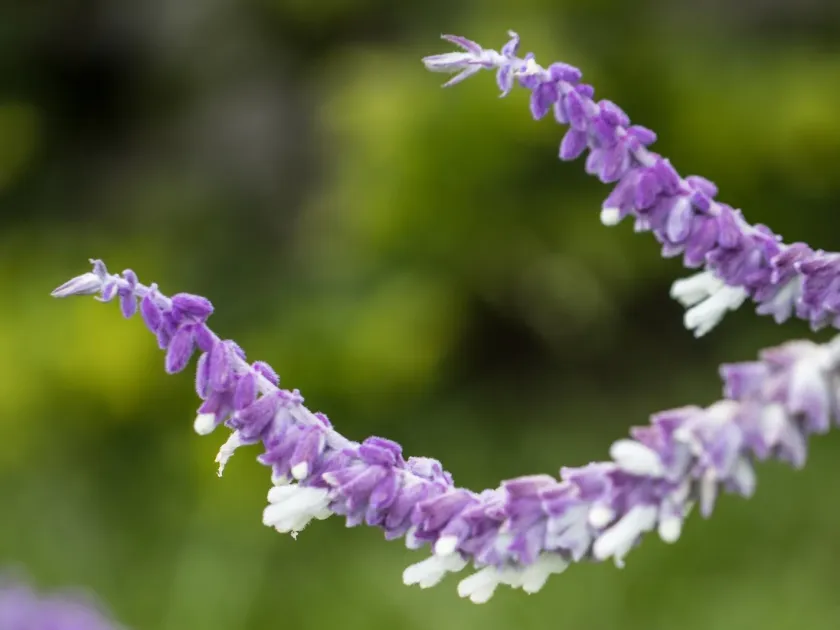
Description
Sowing dates
Salvia leucantha, commonly known as Mexican bush sage, belongs to the Lamiaceae family. Propagation is typically done via seeds or cuttings; however, soft-wood cuttings taken in spring or early summer are the most reliable method for home gardeners.
If starting from seeds, sow them indoors in late winter or early spring. Use a well-draining sterile seed-starting mix, pressing the seeds gently into the surface as they require light to germinate effectively.
Maintain a consistent temperature of about 20–22 degrees Celsius. Provide plenty of bright, indirect light as soon as the seedlings emerge to prevent them from becoming leggy and weak.
Transplanting into larger pots should be done when the second set of true leaves appears. Gradually acclimatize the plants to outdoor conditions over a week before moving them to their permanent location.
Final outdoor planting should only occur once all risks of frost have passed. These plants thrive when the soil is warm and the danger of unexpected cold snaps is completely over.
Growing requirements
Mexican bush sage requires full sun exposure to thrive and produce its signature velvety flower spikes. A location that receives at least six to eight hours of direct sunlight is ideal for plant vigor.
The soil must be well-draining; this species is highly susceptible to root rot if left in saturated conditions. Sandy or loamy soil textures are preferred for optimal root development and health.
While the plant is drought-tolerant once established, it benefits from regular watering during the first growing season. In hot, arid summers, provide deep waterings to maintain flower production.
The plant performs best in neutral to slightly acidic soil. If the soil is heavy or clay-based, amend it with organic matter or grit to improve aeration and drainage before planting.
Temperature management is critical. It is a tender perennial in cooler climates and may need protection or to be grown as an annual if winter temperatures drop below freezing.
Main diseases and pests
Slugs and snails are the most common pests, particularly during wet spells in the spring. They can quickly damage new foliage, so protective barriers or organic baits are often necessary.
Powdery mildew is a prevalent fungal issue if the plant is grown in areas with poor air circulation or high humidity. Ensure adequate spacing between plants to mitigate this risk.
Root rot, caused by Phytophthora or Pythium species, occurs in poorly drained soils. The primary prevention is ensuring the planting site allows excess moisture to move away from the roots.
Aphids may occasionally appear on the tender new growth during the spring. If an infestation is detected, a simple jet of water or insecticidal soap is usually sufficient to control the population.
Leaf spot diseases can develop if leaves remain wet for extended periods. Directing water only to the base of the plant rather than overhead irrigation helps maintain leaf health.
Harvesting
Harvesting for floral arrangements should be done when the flower spikes are fully developed but not yet dropping petals. Cut the stems in the morning after the dew has evaporated.
To dry the flower spikes, hang them upside down in a dark, cool, and airy place. This preservation method keeps the velvety appearance and purple-white color intact for indoor decor.
Deadheading spent flowers is highly recommended throughout the summer. This practice encourages the plant to channel energy into producing new spikes, extending the display through autumn.
In mild climates, trim back the plant by about one-third after it finishes flowering to maintain a tidy shape. This also prepares the plant for a new cycle of growth in the spring.
In landscaping, this sage is prized for its high ornamental value. Its drought-tolerant nature and ability to attract pollinators make it a staple in xeriscapes and pollinator gardens.