
Salvia haenkei
Salvia haenkei Benth.
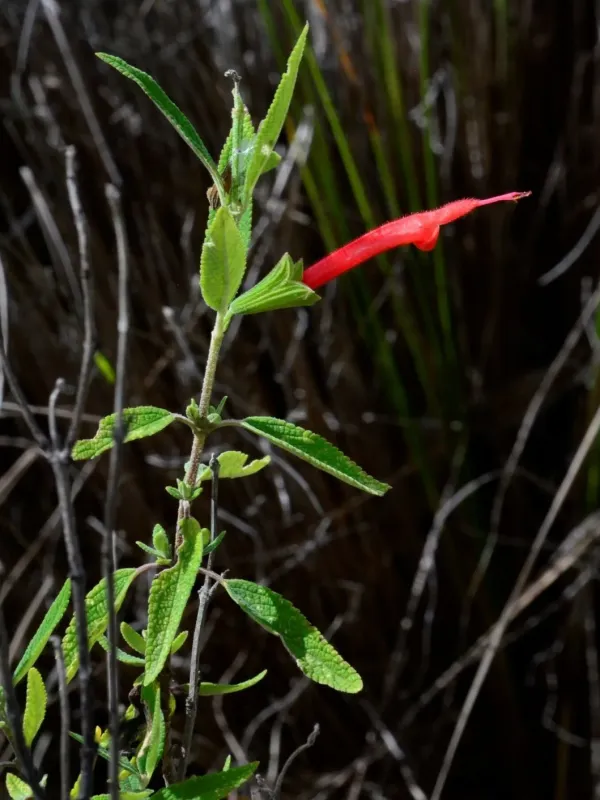
Description
Growing requirements
Salvia haenkei is a striking perennial species belonging to the Lamiaceae family, native to the high-altitude regions of Bolivia and Peru. This plant is recognized for its vivid, long-lasting crimson inflorescences and robust growth habit under favorable conditions.
Botanically, the plant features opposite, textured leaves and specialized flowers evolved to attract pollinators. Its adaptive nature allows it to thrive in specific microclimates that mimic its ancestral habitat, characterized by cool nights and bright, diffused daylight.
Success in cultivation requires well-draining, nutrient-rich soil with a slightly acidic to neutral pH. Poor drainage is the most significant limiting factor, as it leads to root rot and other physiological issues that can rapidly degrade the plant's health.
Environmental requirements prioritize moderate temperatures. While it enjoys sunlight, it should be protected from intense heatwaves and scorching direct sun in mid-summer. In temperate zones, it is essential to manage winter temperatures by moving pots indoors to avoid frost damage.
Cultivation practices involve balanced fertilization during the active growing season and consistent moisture management. Regular pruning is necessary to maintain the plant's shape and to prevent excessive woody growth, ensuring a display of vibrant blooms year after year.
Main diseases and pests
The primary pathological threats include fungal infections such as powdery mildew, which flourish in stagnant, humid environments. Maintaining proper spacing and ensuring adequate airflow between plants is the most effective cultural method for disease prevention.
Pest pressures primarily come from sap-sucking insects like aphids and spider mites, particularly when plants are grown in confined indoor spaces or greenhouses. Integrated pest management, including the use of horticultural oils and soaps, is recommended to keep pest populations below economic thresholds.