
Anise-scented sage
Salvia guaranitica A. St.-Hil. ex Benth.
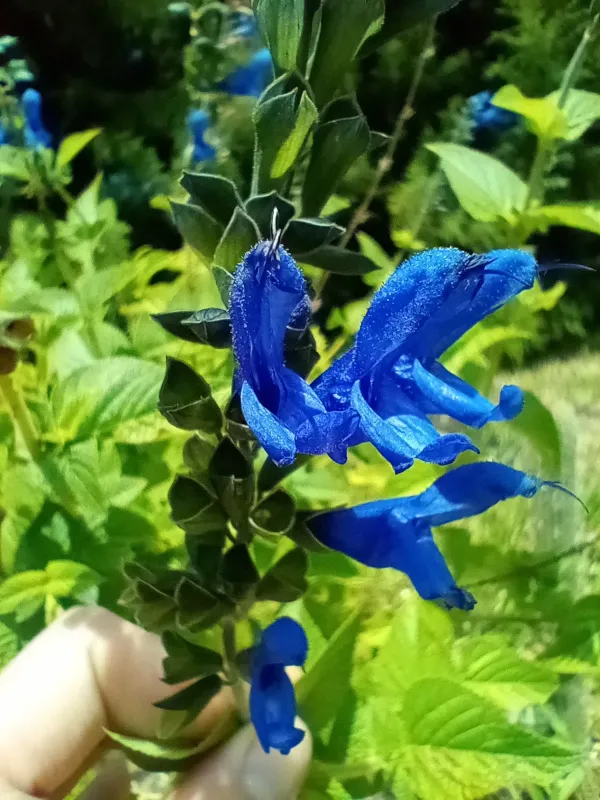
Description
Sowing dates
Salvia guaranitica is primarily propagated by seeds or cuttings. When starting from seed, it is essential to sow in a well-draining seed-starting mix in late winter.
Maintaining a constant temperature between 20°C and 22°C is vital for optimal germination rates and healthy initial development.
Seedlings require supplemental lighting to ensure sturdy growth and prevent the stems from becoming thin and weak during the early stages.
Hardening off the plants is a necessary procedure before transplanting them into the open field to ensure better adaptation to outdoor conditions.
Direct sowing in warmer climates should occur only after the soil has warmed up significantly and the danger of frost has passed.
Growing requirements
This species thrives in full sun but can tolerate partial shade, which helps protect the foliage from scorching during extreme heat waves.
The soil must be fertile, humus-rich, and possess excellent drainage properties to prevent the roots from rotting in waterlogged conditions.
Consistent moisture is needed during the growing season, although the plant shows some drought tolerance once it is well-established.
It prefers a soil pH range of 6.0 to 7.0, which allows for the efficient uptake of essential nutrients for growth and bloom production.
In cooler climates, winter protection such as heavy mulching is mandatory to prevent freeze damage to the root system.
Main diseases and pests
Aphids are common pests that tend to cluster on the undersides of leaves and on developing flower spikes, requiring prompt intervention.
Powdery mildew can infect the plant during periods of high humidity and stagnant air, leading to a decline in plant vigor and aesthetics.
Root rot is a major threat in heavy, clay-based soils that do not allow for sufficient oxygen reach to the root system.
Spider mites may become a nuisance in dry, hot summer months, necessitating regular inspection of the foliage to detect early signs of damage.
Good cultural practices, such as proper spacing between plants, are the best defense against both fungal infections and pest infestations.
Harvesting
The harvest should be timed with the peak of the flowering phase to capture the highest concentration of aromatic essential oils.
Using sanitized shears, harvest the stalks in the morning after the dew has evaporated to ensure the highest quality of the final product.
The harvested material should be bundled and hung upside down in a dark, airy location to preserve its chemical profile and color.
Proper airflow during the drying process prevents the development of mold, which can destroy the entire batch of harvested herbs.
Once fully dry, the plant material should be stored in opaque, airtight containers to maintain its potency for culinary or medicinal use.