
Gregg's sage
Salvia greggii A. Grey
Description
Sowing dates
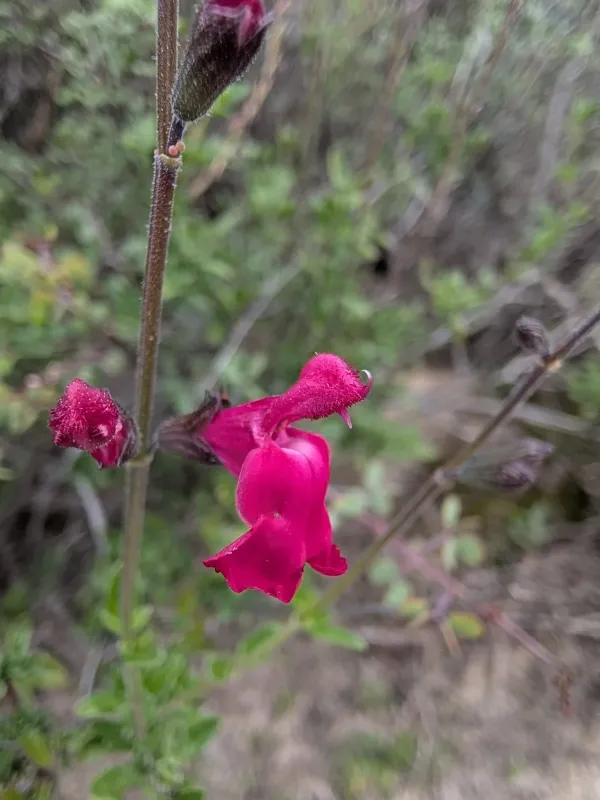
Gregg's sage (Salvia greggii), also known as autumn sage, belongs to the Lamiaceae family and is a popular choice for xeriscaping due to its durability.
Propagation is typically performed by seeds sown indoors in late winter or by softwood cuttings taken during the active growth phase in late spring.
When sowing seeds, they should be barely covered with soil, as they require light to germinate effectively within a temperature range of 20 to 22 degrees Celsius.
Transplanting should occur once the danger of frost has completely passed and the soil has warmed up sufficiently for root establishment.
Spacing between plants should be approximately 40 to 60 centimeters to ensure proper air circulation and prevent overcrowding in the garden bed.
Growing requirements
As a native of Texas and Mexico, this plant thrives in full sun and requires well-drained, slightly alkaline soil to grow healthily.
It is highly drought-tolerant once established, making it an excellent candidate for regions with limited water resources or hot, dry summers.
Soil drainage is the most critical factor; if the soil is heavy or clay-like, incorporating organic matter or gravel is necessary to prevent root rot.
The plant performs best when exposed to direct sunlight for at least six to eight hours per day, which encourages prolific and vibrant flowering.
Fertilization should be kept to a minimum, as excessive nutrients often lead to leggy, weak growth rather than the desired compact and bushy habit.
Main diseases and pests
The primary threats include root rot caused by stagnant water, as well as fungal issues like powdery mildew in humid, poorly ventilated areas.
Pests such as aphids, whiteflies, and spider mites may infest the foliage, particularly if the plant is stressed by improper watering or poor air circulation.
Monitoring for signs of leaf yellowing or stunted growth is crucial for early detection of pest activity or potential nutrient imbalances.
Applying horticultural oil or insecticidal soap is an effective way to manage minor infestations without harming beneficial garden insects.
Maintaining a clean growing area by removing fallen leaves and debris reduces the risk of pathogens overwintering in the vicinity of the plant.
Harvesting
Gregg's sage is primarily cultivated for its aesthetic value in landscape design, attracting pollinators like hummingbirds and butterflies.
Harvesting flower spikes for dried arrangements should be done mid-morning after the dew has evaporated to ensure the highest quality of dried stems.
Deadheading faded blossoms helps to keep the shrub looking neat and encourages a potential second flush of flowers later in the growing season.
For seed collection, wait for the flower spikes to turn brown and harvest the seed-bearing calyces before they shatter and drop naturally.
Pruning is essential for longevity; cutting back one-third of the plant in late winter promotes vigorous, healthy growth for the upcoming spring season.