
Darcy's Sage
Salvia darcyi x Salvia splendens
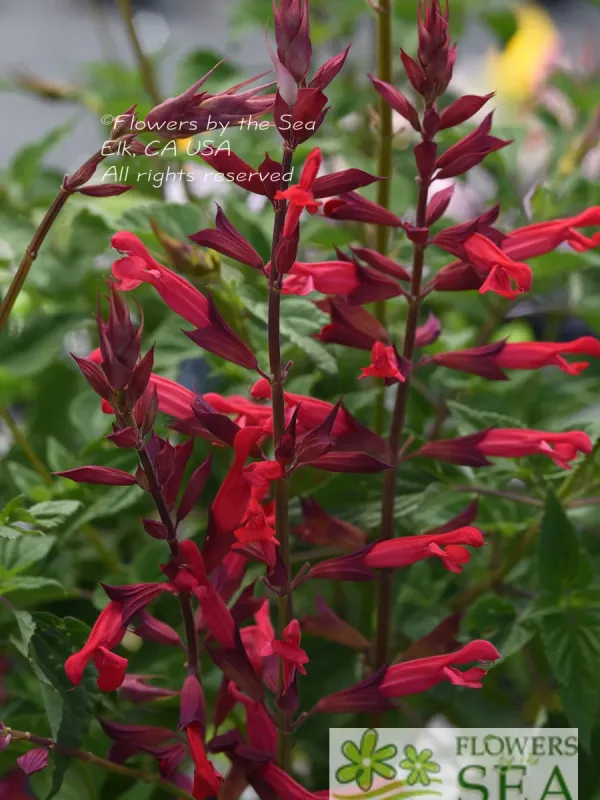
Description
Sowing dates
Sowing of this crop is performed in March or early April under protected soil conditions. For successful seed germination, a substrate temperature of approximately +20...+22 °C and consistent moisture levels are required.
Seedlings typically emerge within 14–20 days after sowing. Pricking out is conducted at the two-leaf stage, transferring the seedlings into individual pots to foster a strong and healthy root system.
Seedlings should only be transplanted into open ground after the risk of late spring frosts has passed. The optimal age for transplanting is generally between 60 to 70 days.
Spacing is determined by the intended use: for dense decorative borders, a distance of 25–30 cm between plants is recommended. Proper air circulation must be maintained to ensure the plant's long-term health.
Direct sowing in the ground is only viable in mild climates, whereas the transplant method is strongly preferred for consistent and early flowering results across various zones.
Growing requirements
Darcy's Sage, a hybrid of the Lamiaceae family, combines the robust nature of Salvia darcyi with the vivid inflorescences of Salvia splendens. It thrives in well-lit areas, as shade causes leggy growth and diminishes the vibrancy of its floral color.
The culture requires loose, fertile, and well-drained soil. Waterlogging in the root zone is detrimental to this hybrid and often leads to root rot diseases, requiring careful irrigation management.
The ideal soil pH for cultivation ranges from 6.0 to 7.0. Before planting, it is highly recommended to incorporate organic matter, such as compost, to enhance soil structure and fertility.
During the active growth phase, the plant requires regular and moderate watering. It is critical to avoid total soil dehydration during hot summer months to ensure continuous flower bud development.
To support sustained flowering, apply balanced mineral fertilizers with a focus on phosphorus and potassium during the budding stage. Nitrogen application should be limited to the early development stages.
Main diseases and pests
Primary pests for this crop include aphids and spider mites, which tend to proliferate in conditions with poor air circulation or excessively dry environments inside greenhouses.
The most common fungal threats are root rot and powdery mildew. These pathogens are frequently triggered by excessive overhead watering and overcrowded planting schemes that trap humidity.
Control measures for pests involve the application of systemic insecticides, ensuring that treatments are applied during early morning or late evening hours to avoid plant stress.
Disease prevention relies heavily on crop rotation and thorough sanitation of the planting area. Prompt removal and destruction of infected foliage are essential to mitigate the risk of spreading pathogens.
- Regular soil cultivation.
- Weed management in the planting area.
- Consistent monitoring of soil moisture.
- Use of disease-free propagation stock.