
Scarlet sage
Salvia coccinea Buc'hoz ex Etl.
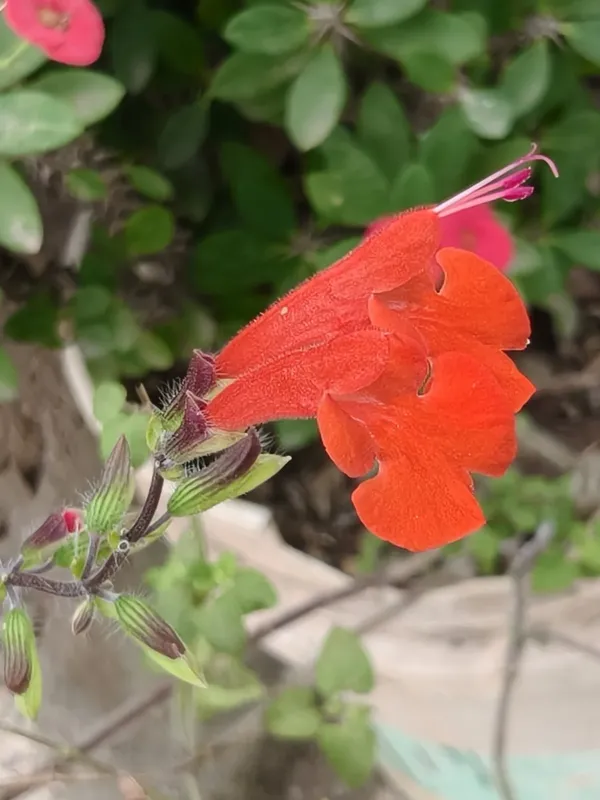
Description
Sowing dates
Scarlet sage, scientifically known as Salvia coccinea, is a tender perennial that is typically grown as an annual in cooler climates. For the best results, start seeds indoors about 8 to 10 weeks before the expected last frost date in your area.
Sow seeds into a high-quality, sterile seed-starting mix, pressing them lightly into the surface as they require light to germinate effectively. Keep the soil temperature consistently between 20°C and 22°C to ensure uniform sprouting.
Transplanting to the garden should only occur once all danger of frost has passed and the soil has warmed up sufficiently. This usually aligns with the late spring period, depending on the local geographical location and current weather trends.
Space the plants approximately 25–30 centimeters apart to provide adequate airflow. Proper spacing is a fundamental aspect of the cultural management of this plant, as it helps to prevent the spread of foliar diseases during the humid summer months.
For gardeners in warmer hardiness zones, direct sowing is possible once the ground reaches a consistent temperature. However, indoor starting remains the preferred method to maximize the blooming duration throughout the growing season.
Growing requirements
This species thrives in locations with full sun, although it can tolerate light partial shade in extremely hot climates. Full exposure to sunlight is essential for the plant to maintain its vigorous growth habit and vibrant red flower coloration.
The ideal soil for Salvia coccinea is well-drained, sandy loam, rich in organic matter. While it can adapt to various soil types, poor drainage is a significant risk factor that must be mitigated by adding coarse sand or gravel to heavy soils.
Watering should be balanced to keep the soil lightly moist but never waterlogged. Once the plants are established, they exhibit a moderate level of drought tolerance, making them suitable for low-maintenance garden beds and landscapes.
Maintenance involves occasional deadheading of spent flower spikes, which encourages the production of new blooms and keeps the plant looking tidy. This simple practice significantly extends the flowering period until the first autumn frosts.
Fertilization with a balanced, slow-release fertilizer at the start of the season is usually sufficient. Excessive nitrogen should be avoided, as it tends to encourage excessive leaf development at the expense of flower production.
Main diseases and pests
Aphids and spider mites are the most common pests found on scarlet sage, particularly during periods of extreme heat and dryness. Regular monitoring and the application of insecticidal soaps or neem oil are effective control strategies.
Powdery mildew can affect the foliage if the plants are situated in areas with poor ventilation or if they are watered overhead late in the day. Proper spacing and morning watering are the best preventative measures against this fungal disease.
Root rot is almost exclusively associated with improper irrigation or poorly draining soil. If signs of wilting appear despite adequate moisture levels, it is a strong indicator that the root system may be compromised by stagnant water.
Slugs and snails can be a nuisance for young, tender plants. Applying a layer of mulch or using organic deterrents can protect the young stems from being consumed before the plant gains enough vigor to withstand minor damage.
Overall, Salvia coccinea is a relatively resilient plant with few serious health issues if its fundamental environmental needs are met. Most problems arise from mismanagement of moisture or extreme overcrowding in garden settings.