
Chiapas sage
Salvia chiapensis Fernald
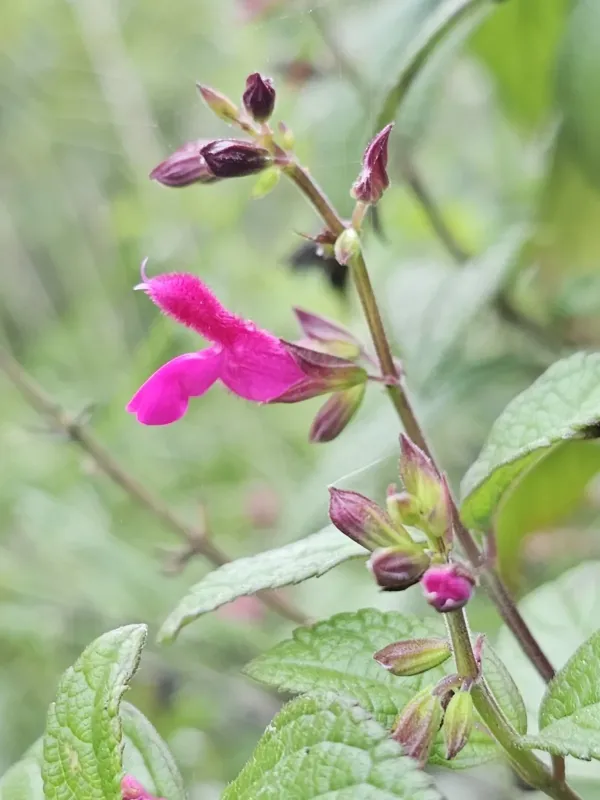
Description
Growing requirements
Chiapas sage (Salvia chiapensis) is a perennial herbaceous plant belonging to the Lamiaceae family. It is native to the cloud forests of the Chiapas region in Mexico, which dictates its specific environmental needs.
The plant thrives in well-drained, humus-rich soil that mimics its natural habitat. It performs best in substrates that provide consistent moisture without becoming waterlogged, as the roots are sensitive to hypoxia.
Environmental requirements include a location with bright, filtered sunlight or partial shade. While it can tolerate full sun in cooler climates, intense heat and direct exposure in mid-summer may cause foliage scorch.
Cultural practices involve moderate watering and periodic pruning to maintain a dense, bushy habit. Removing spent flower spikes encourages the plant to produce a secondary flush of blooms throughout the late summer and autumn.
In terms of temperature, it is best suited for zones that do not experience severe frost. Growers in colder regions often treat it as an annual or overwinter it in a greenhouse or bright indoor location to prevent cold damage.
Main diseases and pests
Powdery mildew is a primary disease concern for Chiapas sage, particularly in high-humidity conditions with poor airflow. Maintaining adequate spacing between plants is essential for effective prevention.
Root rot, caused by pathogens such as Phytophthora or Pythium, poses a significant threat if drainage is inadequate. Ensuring that the planting site has excellent soil structure is the best defensive measure.
Pests like aphids and spider mites can frequently infest the undersides of the leaves. These pests thrive in dry environments, making regular monitoring of plant health during hot, arid spells very important.
Whiteflies are another potential pest, especially in protected environments like greenhouses or sunrooms. Their activity can weaken the plant and promote the growth of sooty mold on the foliage.
Integrated pest management strategies are recommended, starting with non-chemical approaches such as water sprays to dislodge insects, followed by horticultural oils if populations reach economically damaging levels.