
Balkan clary
Salvia chamaedryoides Cav.
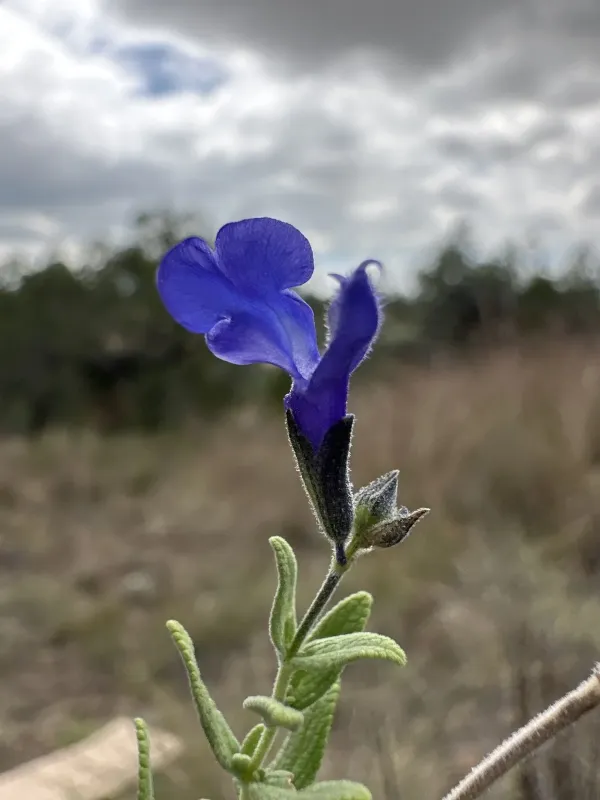
Description
Sowing dates
Sowing seeds of Salvia chamaedryoides for seedlings is carried out in late February or early March in a light, nutrient-rich substrate. Seeds are sown superficially, covered with a thin layer of sand, and maintained at a temperature of about 20-22 degrees Celsius.
Seedlings should be transplanted into open ground once the threat of night frosts has passed. The optimal time for planting in warmer regions is April, while in cooler climates, it is better to wait until the second half of May.
When sowing directly into open ground, choose well-warmed plots in late spring. It is important to note that the culture has a long germination period, so beds should be covered with plastic film to maintain soil moisture.
The planting pattern requires a distance of at least 30-40 centimeters between plants to ensure proper bush aeration. Planting too densely promotes the development of fungal diseases during periods of high humidity.
Seeds maintain viability for up to three years under proper storage conditions; however, for the best germination energy, it is recommended to use fresh seeds from the current season.
Growing requirements
Balkan clary is a light-loving plant that requires open, sunny areas for successful development. In shaded conditions, stems tend to stretch, and the intensity of flowering is significantly reduced.
This culture prefers light, sandy loam or loamy soils with good water permeability. Water stagnation in the root system is detrimental to this species, so proper drainage is necessary in heavy clay soils.
The plant is highly drought-tolerant and does not require regular heavy watering after it has established its root system. During hot periods, moderate watering once a week is sufficient to maintain its decorative appearance.
Salvia is not demanding regarding soil acidity but grows best on slightly alkaline or neutral substrates. Adding lime or dolomite flour to acidic soils has a positive effect on total biomass growth.
Agricultural practices include periodic loosening of inter-row spaces to control weeds and improve soil aeration. Mulching the root zone is also beneficial as it helps preserve soil structure and prevents crust formation.
Yield
The commercial use of Balkan clary focuses on harvesting leafy stems and inflorescences for decorative, pharmaceutical, and culinary purposes. Maximum biomass productivity is achieved in the second year of vegetation.
Flowering begins in mid-summer and lasts until autumn, allowing for multiple harvests of raw materials throughout the season. To stimulate a second wave of flowering, sanitary pruning of spent inflorescences should be performed.
The yield of essential oils and green mass depends heavily on the level of insolation and temperature conditions. Intense flowering attracts pollinating insects, making the plant a valuable honey source.
In commercial cultivation, it is important to remember that bushes begin to age and lose productivity after five years of growth. Planned replacement of plants every 4-6 years is recommended to maintain quality.
The volume of harvested material depends directly on nutrient management, including the application of phosphorus-potassium fertilizers during active growth phases. Excessive nitrogen reduces the concentration of aromatic substances.
Main diseases and pests
The main diseases affecting Balkan clary are powdery mildew and downy mildew, which manifest during high humidity and poor ventilation. Prevention consists of thinning bushes and maintaining a strict water balance.
Pests such as aphids and spider mites may attack young shoots during dry periods. To protect the plants, it is recommended to use environmentally safe insecticides or extracts of phytoncide-rich plants.
Root rots occur due to improper watering, especially in heavy and poorly drained soils. In case of infection, it is necessary to remove the affected plant and disinfect the surrounding soil area.
Slugs can damage young leaves during rainy weather, creating aesthetic defects on the foliage. Using mulch made of gravel or wood ash helps limit their movement across the garden site.
To prevent the spread of infections, strict crop rotation should be followed, avoiding planting salvia in areas where other members of the Lamiaceae family previously grew.
Harvesting
Inflorescences should be harvested during the mass flowering phase when the content of essential oils in the plant tissues reaches its peak. It is crucial to perform the cutting in dry, sunny weather during the morning hours.
For drying, raw material should be bundled or spread in a thin layer in well-ventilated rooms protected from direct sunlight. This helps preserve the natural color and concentrated fragrance of the herb.
When using Balkan clary as a spice, leaves can be harvested throughout the entire growing season. Leaves intended for drying should be picked before the plant enters full, vigorous flowering.
Dried raw materials should be stored in airtight containers, preferably in a dark and cool place. When all drying and packaging rules are followed, the medicinal and aromatic properties are preserved for up to two years.
To preserve garden aesthetics in autumn, dried stems should be pruned back, leaving stumps about 10 centimeters high. This protects the root collar from freezing during winter and stimulates healthy spring growth.