
Salvia bulleyana
Salvia bulleyana Diels
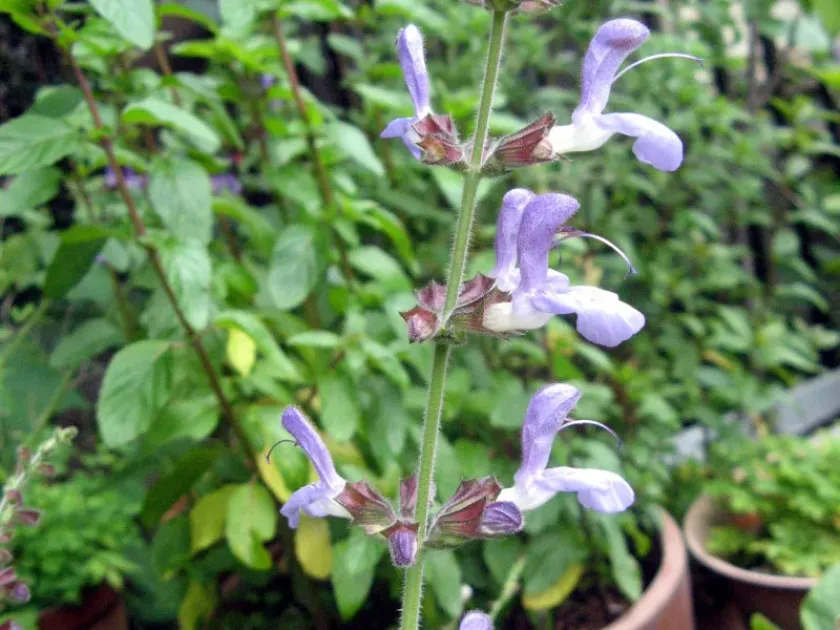
Description
Sowing dates
Salvia bulleyana is typically propagated via seeds sown in the spring once soil temperatures become consistently warm. Mid-April is generally considered the optimal time for direct sowing.
To ensure high germination rates, it is highly recommended to cold-stratify the seeds for several weeks. This mimics natural environmental conditions and breaks seed dormancy effectively.
When sowing, cover the seeds with a very light layer of soil, no more than 0.5 centimeters deep. Keep the soil surface consistently moist but not waterlogged during the emergence period.
For earlier maturation, seeds can be started indoors in flats during late winter. Seedlings should be hardened off before being transplanted into their permanent outdoor location.
Proper spacing is crucial for this species. Plant individuals at least 45 to 50 centimeters apart to ensure adequate airflow, which is vital for preventing fungal issues.
Growing requirements
As a member of the Lamiaceae family, Salvia bulleyana thrives in locations with full sun to partial shade. Exposure to sunlight is necessary for producing the plant's characteristic floral displays.
The plant demands well-drained soil to survive. Sandy loam or gravelly soil types are ideal, as they prevent the roots from sitting in stagnant water, which is a major threat to this species.
Although it can adapt to various soil types, the plant performs best in neutral to slightly alkaline environments. It does not require intensive fertilization, as excessive nitrogen can lead to weak, leggy growth.
While the species is hardy, it requires protection from severe frost if planted in exposed, windy locations. Applying a layer of organic mulch around the base during late autumn helps protect the crown.
Watering should be managed carefully. During the first growing season, keep the soil moderately moist, but once established, the plant becomes quite tolerant of occasional dry spells.
Main diseases and pests
The primary threats to Salvia bulleyana are fungal pathogens associated with excessive moisture. Root rot and powdery mildew are the most common diseases encountered during humid, poorly ventilated summers.
Pest pressure is generally low, but aphids and spider mites can occasionally colonize the soft terminal growth during dry, hot weather spells. Regular monitoring is advisable.
Slugs and snails may target young seedlings in the spring. Implementing physical barriers or organic pest control methods early in the season can significantly reduce potential damage.
To mitigate disease risks, always ensure that the plants have adequate spacing. Proper garden sanitation, such as removing dead foliage in the fall, helps reduce the overwintering potential of pests.
If fungal signs appear, such as white dust on leaves, remove the affected parts immediately and improve air circulation around the plants to prevent further spread.
Harvesting
Harvesting for medicinal or aromatic purposes should coincide with the onset of the flowering stage. At this moment, the concentration of essential oils is at its peak.
Always harvest in the mid-morning after the dew has evaporated but before the intense midday sun causes the oils to dissipate. Use sharp, clean shears to ensure clean cuts.
Drying must occur in a dark, warm, and well-ventilated area. Rapid drying helps retain the vibrant color of the flowers and the potency of the aromatic compounds.
- Store the dried harvest in airtight glass or tin containers.
- Keep the containers away from direct light and moisture.
- Label all containers with the harvest date for future reference.
If maintaining the plant primarily for landscape use, deadheading spent blooms can encourage secondary growth and extend the season of visual interest.