
Eyelash-leaf sage
Salvia blepharophylla Brandegee ex Epling
Description
Growing requirements
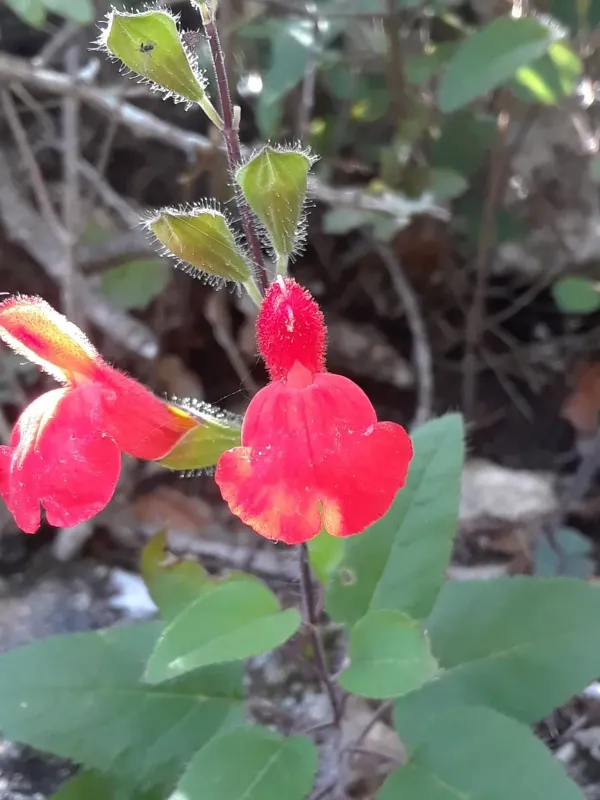
Salvia blepharophylla, commonly known as Eyelash-leaf sage, is an attractive perennial plant belonging to the Lamiaceae family. Native to the mountainous regions of Mexico, it is highly valued for its striking, deep red flowers.
The plant thrives in well-draining, fertile soil enriched with organic matter. Proper drainage is essential, as the roots are sensitive to waterlogging, which can quickly lead to plant decline during the growing season.
This species prefers full sun or light shade to display its best features. While it can tolerate partial shade, too little light may result in a sparse growth habit and a significant reduction in the number of blooms.
Regarding climate, Salvia blepharophylla is moderately hardy. In regions with freezing winters, it is often grown in containers so it can be moved to a protected environment before the arrival of the first frost.
Regular maintenance practices include consistent watering during dry spells and the application of balanced fertilizers during the active growth period. Deadheading faded flowers can promote further blooming throughout the autumn.
Main diseases and pests
Common pests include aphids and spider mites, which tend to infest the plant, especially in hot and dry weather conditions. Monitoring the underside of the leaves is advised for early detection and treatment.
Fungal diseases, such as powdery mildew or root rot, may occur if the plant is grown in poorly ventilated areas with excessive moisture. Maintaining adequate spacing between individual plants is crucial.
To prevent disease, it is recommended to apply water at the base of the plant rather than overhead, particularly in the evening, to keep the foliage dry and discourage the development of pathogens.
Sanitary pruning, which involves removing diseased or dead stems, is a standard procedure to improve airflow and keep the plant healthy. This helps maintain the overall vigor of the sage throughout the season.
With proper placement and careful attention to soil moisture, this plant is generally robust and requires only minimal intervention to thrive in a well-managed garden environment.