
Australian fuchsia
Correa pulchella J. Mackay ex Sweet
Description
Growing requirements
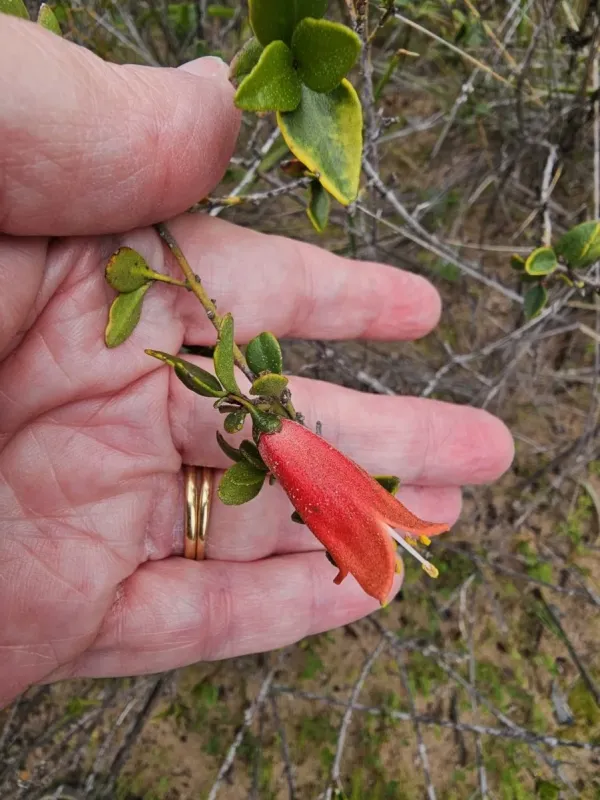
Correa pulchella, commonly known as Australian fuchsia, is a stunning evergreen shrub belonging to the Rutaceae family. Native to the southern regions of Australia, it is highly valued for its tubular, bell-shaped flowers that bloom in winter and early spring.
The plant thrives in well-drained, slightly acidic soil. In a garden setting, it prefers a position with partial shade, though it can tolerate full sun in cooler climates if the soil moisture is consistently maintained.
Watering requirements for Correa pulchella are moderate. While the plant is drought-tolerant once established, it requires regular hydration during the growing season to ensure healthy foliage and prolific flower production.
Climate adaptation is a key factor; as a native of Mediterranean-like zones, it does not tolerate severe frost. In colder regions, it must be grown in containers and moved indoors during the winter months.
Maintenance involves light pruning after the flowering period. This encourages a bushier growth habit and prevents the plant from becoming woody and sparse at the base over time.
Main diseases and pests
The most significant threat to Correa pulchella is root rot caused by poor drainage. Excess moisture in the root zone quickly damages the delicate root system, leading to foliage decline.
Pests such as scale insects and mealybugs can pose a challenge. These sap-sucking insects often hide on the undersides of leaves or along stems, making them difficult to spot in the early stages.
Aphids may occasionally infest soft, new growth during the spring. If left untreated, they can distort the leaves and attract sooty mold, which impairs the plant's photosynthetic ability.
Providing adequate spacing between plants is essential for airflow. Proper circulation helps reduce humidity levels around the canopy, significantly lowering the risk of fungal outbreaks.
Regular monitoring is the best defensive strategy. By inspecting the plant weekly, growers can intervene quickly with horticultural oils or insecticidal soaps before an infestation becomes severe.