
Rock Correa
Correa glabra Lindl.
Description
Growing requirements
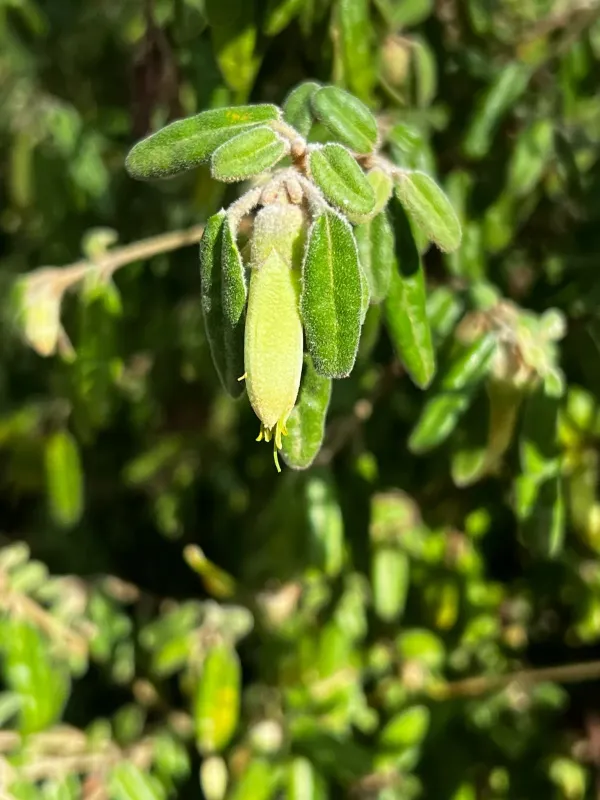
Rock Correa (Correa glabra) is an evergreen shrub belonging to the Rutaceae family, native to southeastern Australia. It is known for its leathery, aromatic foliage and unique tubular flowers, which appear from autumn to spring.
This species is highly adaptable, though it thrives best in well-drained, slightly acidic to neutral soils. In natural habitats, it is frequently found in rocky, well-draining locations, which makes it an excellent choice for rock gardens.
Environmental requirements for successful growth include a location with bright, filtered sunlight. While it can tolerate some shade, overly dark conditions often lead to a reduction in flower production and a more elongated, spindly growth habit.
Watering should be managed carefully to mimic the natural cycles of its origin. Once established, Correa glabra is relatively drought-tolerant, but regular deep watering during its initial growth phase and dry summers will promote a healthier structure.
In terms of maintenance, pruning is essential for keeping a dense and attractive form. Light trimming after the flowering season encourages new growth and helps maintain the bush's shape, preventing it from becoming bare at the base.
Main diseases and pests
The most common disease affecting Rock Correa is root rot, particularly in heavy or waterlogged soils. This condition is caused by Phytophthora fungi, which thrive in stagnant water and poor drainage conditions, rapidly killing the plant's root system.
Powdery mildew can occasionally appear during periods of high humidity and poor air circulation. Symptoms include white, powdery spots on leaves; effective management requires better spacing between plants and the application of appropriate fungicidal treatments if necessary.
Mealybugs are frequent pests that infest Rock Correa, typically clustering in leaf axils and stems. These insects suck plant juices, leaving behind sticky honeydew that can lead to the growth of sooty mold, further damaging the foliage.
Scale insects are another potential threat, often appearing as small, brown, bump-like structures on branches. These pests are difficult to control once established, so early detection and manual removal or insecticidal soap applications are recommended.
To ensure plant health, it is vital to avoid over-fertilization, as excess nitrogen can lead to rapid, succulent growth that is more susceptible to both pests and fungal pathogens. Keeping the area around the base clean and debris-free helps prevent many common garden problems.