
White Correa
Correa alba Andrews
Description
Growing requirements
The White Correa (Correa alba) is an evergreen shrub belonging to the Rutaceae family. Native to the coastal regions of South-Eastern Australia, this plant is well-known for its ability to withstand harsh coastal conditions, including strong winds and salt spray.
The cultivation of this shrub requires well-drained, slightly acidic to neutral soils. It is critical to ensure that the planting site has excellent drainage, as the plant is highly susceptible to root rot if left in waterlogged conditions for extended periods.
Regarding climate, White Correa prefers a sunny to semi-shaded position. While it is hardy and can tolerate light frosts, it is not suited for severe freezing climates and should be sheltered or kept in containers if winter temperatures drop significantly below freezing.
Cultural practices include periodic pruning to maintain a dense, compact habit and encourage more prolific flowering. Watering should be deep but infrequent, allowing the soil to dry out between sessions to maintain a healthy root environment.
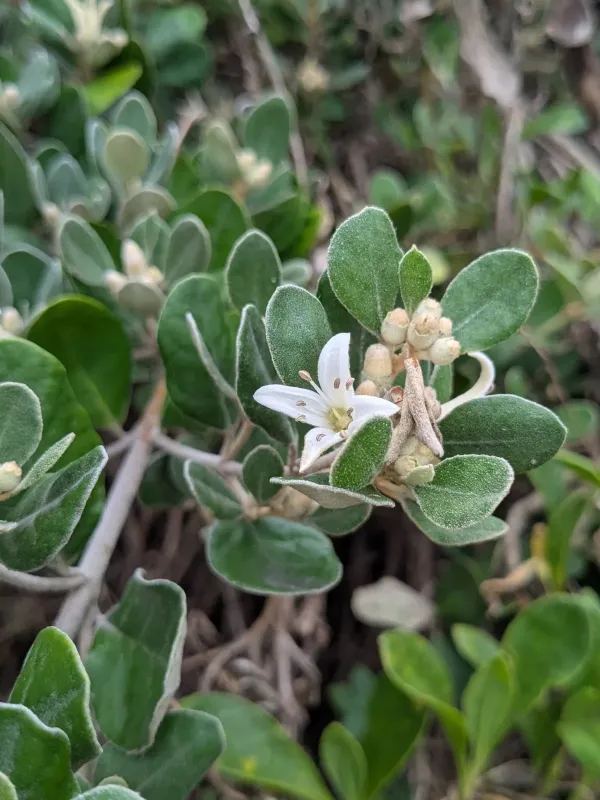
In landscaping, this species is highly valued for its aesthetic appeal, featuring star-shaped white flowers and grey-green foliage. It is commonly used for hedge planting, erosion control on coastal sites, and as an ornamental shrub in Mediterranean-style gardens.
Main diseases and pests
The primary threats to White Correa include soil-borne fungal pathogens such as Phytophthora, especially if the soil is too heavy or poorly drained. Maintaining a dry root zone and avoiding heavy mulch near the stem base are recommended preventative steps.
Pests are generally not a major issue but may include scale insects or mealybugs in stagnant air conditions. Management involves using horticultural oils or systemic insecticides, ensuring that the plant receives adequate ventilation to discourage future infestations.