
Correa reflexa
Correa reflexa (Labill.) Vent.
Description
Growing requirements
Correa reflexa, commonly known as the common correa, is a woody shrub belonging to the Rutaceae family. Native to Australia, it is naturally distributed across various forest and shrubland habitats, showing adaptability to diverse environmental conditions within its range.
For successful cultivation, the plant requires well-drained, acidic to neutral soil. It thrives in locations that provide protection from the harsh afternoon sun. Poor drainage is the most significant hurdle, as the root system is prone to hypoxia and rot if the soil remains waterlogged.
The climate requirements for Correa reflexa involve cool to temperate conditions. While it can withstand light frosts, it is not hardy in severe winter climates. Therefore, in colder regions, it is frequently utilized as a container-grown plant that can be moved indoors for protection.
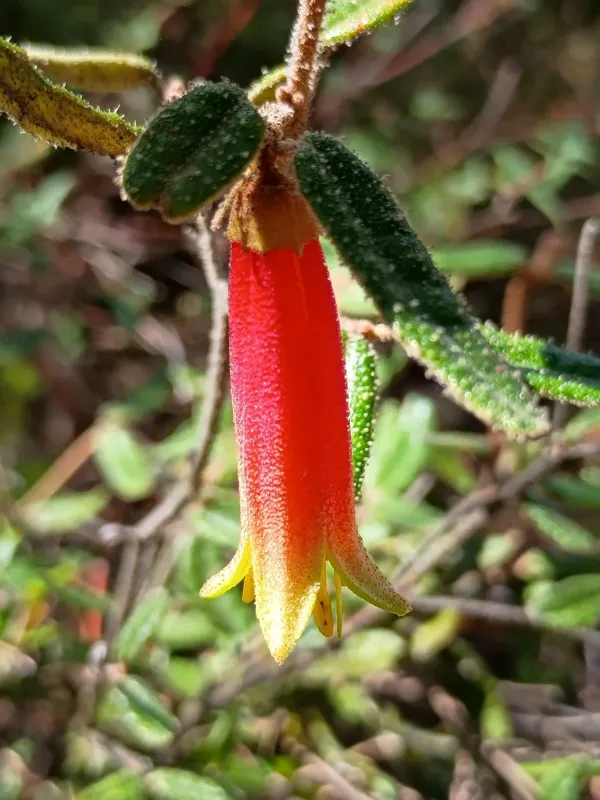
Botanically, the species is distinguished by its opposite, often ovate leaves and distinctive bell-shaped flowers. The floral display, which can range from greenish-yellow to deep red, is a primary reason for its inclusion in managed landscape designs and horticultural collections.
The agricultural and ornamental use of this crop is centered on its aesthetic value. Its ability to bloom in late autumn and winter makes it a highly desirable species for gardeners and nurserymen looking to maintain interest during the dormant season of other plants.
Main diseases and pests
The primary threats to Correa reflexa are soil-borne pathogens, particularly Phytophthora species. These fungi thrive in damp, heavy soils, making moisture management the most critical aspect of preventative agronomic practice.
Insect pests include scale insects and spider mites, which can cause significant foliage damage if left unchecked. These pests prefer dry environments, often becoming problematic when the plant is kept in glasshouses or conservatory conditions with poor airflow.
Pest management programs should focus on biological control or targeted horticultural oils. Synthetic pesticides should be used judiciously to avoid causing phytotoxicity to the sensitive, fine-haired foliage of the shrub.
Nutritional management is also vital, as the plant is sensitive to high phosphorus levels, which can lead to toxicity symptoms. Utilizing fertilizers specifically formulated for native Australian plants is strongly recommended to maintain overall vigor.
- Monitor soil moisture levels daily.
- Ensure air circulation between plants.
- Remove any necrotic or wilting branches immediately.
- Check the underside of leaves for early signs of pests.