
Correa hybrid
Hybrids between Correa pulchella and C. reflexa
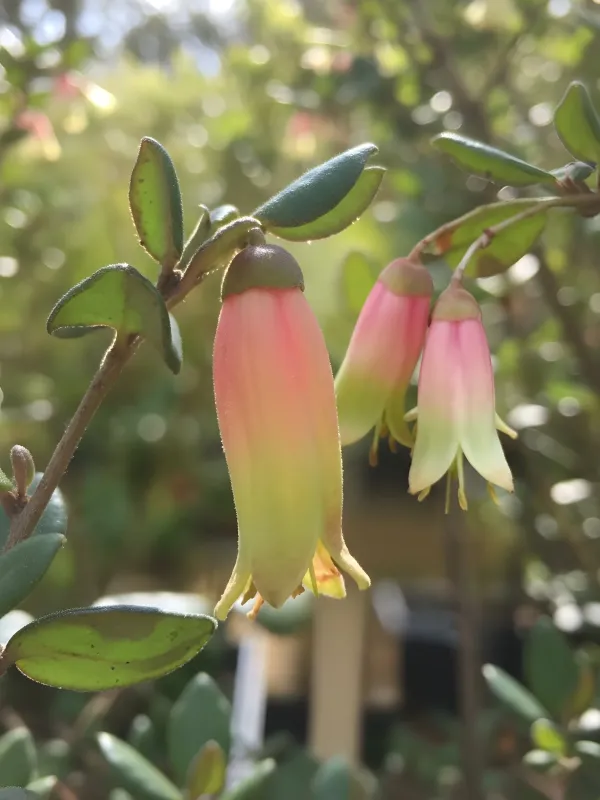
Description
Growing requirements
Correa hybrid is an attractive evergreen shrub belonging to the Rutaceae family. This ornamental plant is derived from crosses between Correa pulchella and Correa reflexa, resulting in a hardy specimen that thrives under controlled horticultural conditions.
Originating from Australia, the plant is naturally accustomed to temperate environments. In gardens, it performs best in positions offering partial shade or dappled sunlight, ensuring the delicate foliage is shielded from intense afternoon heat which can cause leaf scorch.
The ideal soil substrate for Correa must be exceptionally well-draining, as the plant is highly susceptible to root decay if kept in waterlogged soil. A mixture comprising peat, coarse grit, and organic matter usually provides the necessary aeration for robust growth.
Temperature management is critical for this species. It is not cold-hardy, meaning it is often grown in containers in cooler regions to allow for movement into greenhouses or conservatories during the winter months when temperatures drop below safe levels.
Cultural care requires balanced irrigation practices where the growing medium is allowed to dry out moderately between waterings. Fertilization should be kept to a minimum, using low-phosphorus feeds, as Rutaceae members are sensitive to nutrient imbalances.
Main diseases and pests
Root rot caused by Phytophthora species is the primary threat to this crop. This condition usually arises from poor drainage or overwatering, making the establishment of a robust drainage layer the single most important preventative measure in its cultivation.
Pests such as mealybugs and scale insects frequently infest the stems and leaf axils. These pests weaken the plant by extracting phloem sap and must be controlled early with appropriate horticultural oils or systemic insecticides to prevent severe decline.
Spider mites are another common challenge, especially in indoor or greenhouse settings where the air is dry. Maintaining adequate humidity around the foliage and ensuring good ventilation can significantly reduce the risk of mite colonization.
Sooty mold can develop on the foliage as a result of honeydew secretions from scale insects. While this mold does not directly infect the plant tissues, it blocks photosynthesis by covering the leaves and should be cleaned off promptly.
Regular sanitation of pruning tools is essential to prevent the spread of diseases. Always sanitize shears after working on any plant showing signs of distress or decay to protect the health of the entire collection.