
Correa alba hybrid
Correa alba x C. pulchella
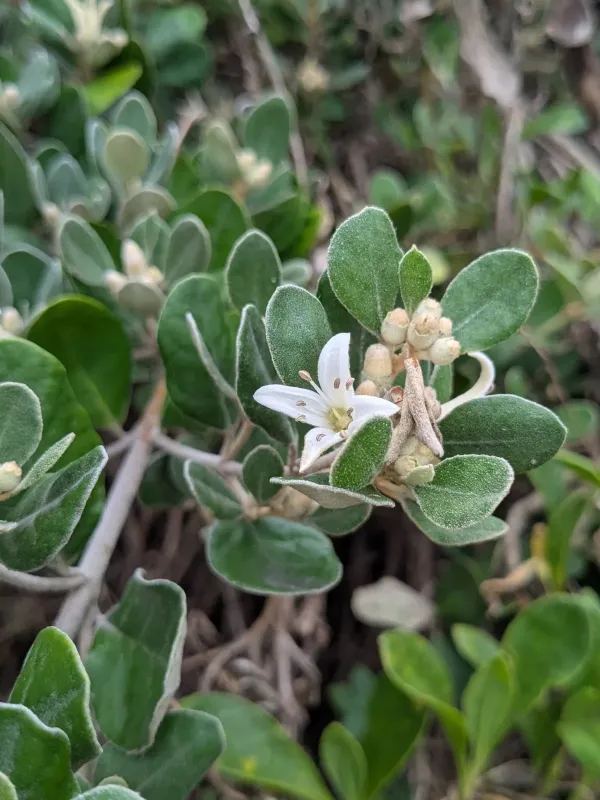
Description
Growing requirements
Correa alba hybrid (Correa alba x C. pulchella) is an evergreen ornamental shrub belonging to the Rutaceae family. This hybrid variety inherits the robustness of Correa alba and the aesthetic appeal of Correa pulchella, making it a popular choice for landscape design.
The plant thrives in full sun to partial shade environments. It requires a well-ventilated spot protected from harsh winds, as the hybrid nature makes it slightly sensitive to extreme temperature fluctuations and frost events common in non-native climates.
Soil quality is paramount for this culture. It demands well-draining soil, ideally sandy or loamy with a neutral to slightly acidic pH. Poor drainage is the leading cause of plant failure, so site preparation must prioritize water runoff.
Watering requirements are moderate; the plant prefers consistent moisture but must never be waterlogged. During the dormant season, water intake should be significantly reduced to allow the root system to recover and remain healthy.
Maintenance includes regular pruning immediately after the flowering period to maintain a dense, attractive shape. This practice promotes vigorous new growth for the next season.
- Application of balanced, low-phosphorus fertilizers.
- Organic mulching to retain root moisture.
- Regular monitoring of foliage health.
Main diseases and pests
The primary threats to Correa alba hybrid are root rot diseases, specifically Phytophthora. These fungal pathogens flourish in waterlogged conditions, making proper irrigation management the most effective preventative measure.
Pest pressure is usually caused by aphids, mealybugs, and scale insects. These pests colonize the succulent tips of the stems and the undersides of the leaves, drawing out nutrients and weakening the plant's structural integrity.
Integrated pest management is recommended, starting with manual removal of small colonies followed by the application of horticultural oils or systemic insecticides if the infestation persists and covers a large surface area.
Cultural hygiene plays a significant role in disease prevention. Removing debris from around the base of the shrub prevents the accumulation of moisture and fungal spores, which are common catalysts for plant illness.
Regular inspection of the plant's health is advised, especially during humid weather. Any foliage showing yellowing or wilting should be investigated promptly to catch potential root issues before they reach a critical state.