
Correa
Correa decumbens F. Muell. x Correa reflexa (Labill.) Vent.
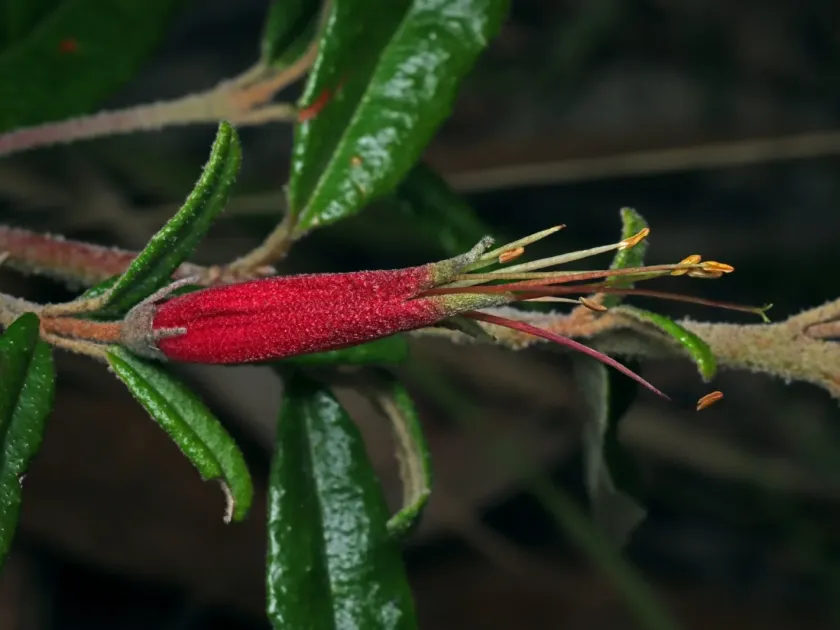
Description
Growing requirements
Correa is a genus of evergreen shrubs belonging to the Rutaceae family. These plants are native to Australia and are highly valued in ornamental horticulture for their distinct tubular flowers and attractive foliage.
The plant thrives in Mediterranean-type climates, requiring cool, moist winters and dry summers. When cultivated as an ornamental, it demands excellent soil drainage to prevent root diseases which are common in this genus.
Regarding soil requirements, Correa prefers acidic to neutral, well-draining sandy loam. It performs poorly in heavy, clay-based soils unless amended significantly with organic matter and grit.
In terms of light exposure, the plant typically prefers bright, dappled shade. Direct, harsh midday sun can lead to leaf yellowing and reduced flower production, particularly in drier regions.
Pruning is essential for maintaining a compact habit. Growers should prune the plant immediately after the flowering season concludes to stimulate new growth for the following year's blooms.
Main diseases and pests
Phytophthora root rot is the most significant threat to Correa, often caused by waterlogged soil and high humidity during warmer months. Ensuring proper aeration is the primary preventative measure.
Scale insects are common pests that attach themselves to stems and the underside of leaves, causing sap depletion and occasionally promoting the growth of sooty mold.
Spider mites may become problematic in indoor or greenhouse settings where humidity levels drop significantly, necessitating frequent misting or the use of targeted acaricides.
Fungal leaf spots can occur when air circulation is poor. Proper spacing between individual plants is necessary to keep the foliage dry and reduce the risk of infection.
Regular sanitation of gardening tools is critical when managing Correa to prevent the mechanical transmission of soil-borne pathogens from one container or site to another.