
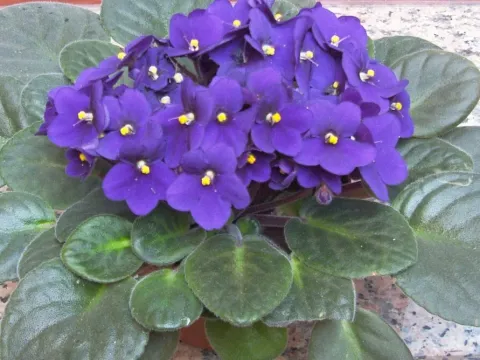
Saintpaulia
Saintpaulia H. Wendl.
Saintpaulia (Saintpaulia H. Wendl.), commonly known as the African violet, is a genus of herbaceous perennial plants belonging to the Gesneriaceae family. Originating from the misty, tropical mountains of East Africa, these plants have adapted to high-humidity environments.
What the section contains

Saintpaulia
The plant features a basal rosette of fleshy, often fuzzy leaves and flowers that vary in color and petal structure. Its root system is relatively shallow, which makes it well-suited for pot cultivation in specialized greenhouse conditions or domestic settings.
Successful cultivation requires a stable climate with temperatures ranging from 18 to 24 degrees Celsius. It is essential to avoid direct sunlight, which causes physiological leaf damage, preferring bright but diffused light conditions for healthy growth.
The soil substrate must be highly aerated and slightly acidic, with a pH between 5.5 and 6.5. A mixture of high-quality peat moss and perlite is generally considered the optimal medium for root development and nutrient uptake in this species.
Saintpaulia is cultivated primarily as a commercial ornamental crop. It serves as a staple in the floriculture industry, with numerous cultivars developed to meet consumer demand for various flower colors, shapes, and foliage patterns.
Saintpaulia is highly susceptible to fungal diseases such as powdery mildew, root rot, and Botrytis cinerea. These pathogens thrive when the environment is poorly ventilated or when excess moisture accumulates on the leaf surface or within the crown.
Major pests affecting this crop include thrips, spider mites, and mealybugs. These organisms can cause significant damage by piercing the leaf tissue, leading to stunted growth, discoloration, and, in severe cases, the complete death of the plant.
Control measures involve a combination of biological and chemical interventions. Systemic insecticides are often used to combat mites and thrips, while fungicides are required to manage fungal outbreaks in production environments.
Integrated Pest Management (IPM) practices are highly recommended to ensure the long-term health of the crop. This includes regular scouting for pests, maintaining strict sanitary standards, and optimizing watering practices to prevent high humidity traps.
Regular maintenance, including the removal of spent flowers and yellowing leaves, is crucial for plant vigor. Providing adequate space between plants improves airflow and significantly reduces the probability of disease transmission within a greenhouse setting.