
Sedeveria
x Sedeveria E. Walther x Graptopetalum Rose
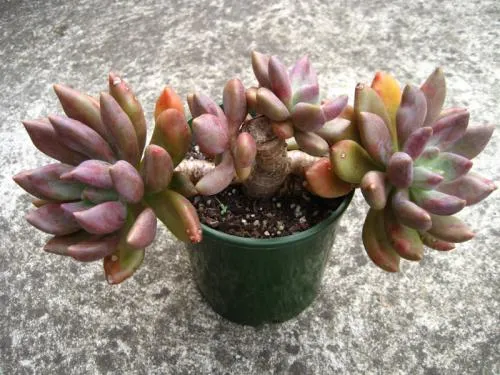
Description
Growing requirements
Sedeveria is a succulent intergeneric hybrid resulting from cross-breeding plants from the Sedum and Echeveria genera, belonging to the Crassulaceae family. This hybrid combines the resilient nature of sedums with the aesthetic rosette structure characteristic of echeverias, making it a highly valued plant for decorative purposes.
The culture thrives in bright, indirect light, but it can tolerate direct morning sunlight; however, intense midday heat may scorch the leaves if not properly acclimated. Maintaining a temperature range between 20°C and 25°C during the growing season is ideal for robust development and structural integrity.
Regarding soil requirements, Sedeveria demands a highly porous and well-draining medium, such as a specialized cactus mix combined with grit or perlite. Proper drainage is the most critical factor in successful cultivation, as stagnant moisture is the primary cause of root degradation and death in this genus.
Watering techniques must adhere to the soak-and-dry method, ensuring the soil is completely dehydrated before the next application. During the winter dormancy, water intake should be significantly reduced to match the slower metabolic rate of the plant and prevent potential tissue damage from cold-moisture interactions.
Economically, Sedeveria is extensively utilized in horticulture as a container-grown plant for interior decoration, as well as in xeriscaping or rock garden design in climate zones that permit outdoor succulent cultivation without frost risk.
Main diseases and pests
The most significant threat to Sedeveria is root rot, typically caused by poor soil drainage and excessive irrigation, which creates an anaerobic environment. Preventing this involves ensuring optimal soil structure and avoiding water accumulation in the rosette center.
Mealybugs are the most persistent pest for this culture, often hiding in the crevices between leaves and at the base of the plant. Mechanical removal combined with specialized systemic insecticides is the standard procedure for infestation control.
Root mealybugs pose a hidden threat, feeding on the root system and causing the plant to show signs of stress and stunted growth despite regular maintenance, necessitating occasional checks of the root ball.
Aphids occasionally target the flower stalks during the blooming phase, which can impair the quality of the inflorescences and negatively impact the aesthetic appearance of the plant.
Spider mites can become a problem in environments with low humidity, leaving characteristic stippling on the leaves, which requires immediate treatment with appropriate acaricidal products to prevent leaf decline.